Panels, Pages, and Pure Imagination — Comics Magazines on WebMagz
Comics are one of the most misunderstood art forms in the world. Dismissed for decades as children's entertainment or pulp throwaway, they have quietly produced some of the most formally inventive, emotionally powerful, and culturally significant storytelling of the twentieth and twenty-first centuries. The sequential art form — words and images working together in panels to create narrative — has a unique expressive capacity that no other medium quite replicates. The Comics category on WebMagz gathers a rich selection of publications dedicated to this extraordinary world: magazines covering superhero universes and graphic novels, manga and European bande dessinée, comic art history and creator interviews, industry news and collector culture. Whether you're a lifelong fan or a curious newcomer, this category invites you in.
A Universe of Stories — Exploring the Comics Collection
The Comics category on WebMagz reflects the genuine diversity of the medium — and it is far more diverse than casual observers might assume. Superhero comics from the two giants of the American industry, Marvel and DC, naturally have a strong presence — with magazines covering ongoing storylines, character histories, crossover events, and the vast mythologies that have accumulated over eight decades of continuous publication. But the collection extends well beyond tights and capes.
Manga publications are prominently represented, covering the Japanese comics industry that has become a genuinely global cultural phenomenon. From shonen action series and shojo romance to seinen psychological thrillers and josei slice-of-life stories, manga magazines span a tonal and thematic range that rivals literary fiction. Independent and alternative comics have their own dedicated space, covering the creator-owned work, small press publishers, and art comics that have driven the medium's most interesting formal experimentation.
Comics history and criticism magazines examine the medium as the art form it is — exploring the careers of influential creators, the evolution of visual storytelling techniques, the social and political contexts that shaped different eras of comics production, and the critical frameworks that help readers understand what makes great sequential art great. Collector-focused publications cover variant covers, first appearances, grading, and the investment dimension of comics collecting, which has grown dramatically in recent years. Industry news titles track the business of comics — publishing deals, adaptations, creator rights, and the evolving relationship between comics and the enormous film and television universe they have spawned.
Why Comics Deserve Serious Attention — and Serious Reading
The case for comics as a legitimate, rich art form has been made definitively — by Art Spiegelman's Maus, by Alan Moore's Watchmen, by Chris Ware's architectural page designs, by the global phenomenon of manga, by the sustained creative achievement of countless creator-owned series that have no interest in superheroes but everything to say about the human condition. The question isn't whether comics deserve serious attention anymore — it's how to navigate a medium so vast and varied that even devoted readers can't keep up with everything being produced.
Comics magazines serve as guides through that abundance. A well-edited comics publication helps readers discover titles they wouldn't have found on their own, provides critical context for understanding what makes a particular run of a series significant, and documents the history of a medium that is still actively building its critical canon. For collectors, they're indispensable — tracking what's valuable, what's significant, and what's worth preserving.
There's also pure pleasure to consider. Reading about comics — the creative process behind a beloved series, the backstory of a legendary artist, the making of an iconic storyline — deepens and enriches the experience of reading the comics themselves. The best comics journalism and criticism operates the same way that great film criticism does: it doesn't replace the work, it opens it up.
Fans, Collectors, Creators — Who Reads Comics Magazines
Comics magazines attract a readership that spans age, background, and level of engagement with the medium. Dedicated fans of superhero comics — people who follow monthly titles, debate continuity, and have strong opinions about which era of a particular character's history is definitive — are a natural core audience. For them, magazines that track storylines, interview creators, and analyze significant runs are essential companions to their reading.
Manga readers, whose numbers have grown dramatically in recent years as the global reach of Japanese comics culture has expanded, have their own dedicated publications covering new releases, adaptation news, creator profiles, and the culture surrounding manga consumption. Collectors — a serious and growing community — follow market publications closely, tracking key issues, grading standards, and the auction results that set benchmarks for valuations.
Graphic novel readers who approach comics as literary fiction will find critical and review-focused titles particularly rewarding — publications that treat the medium with the same analytical seriousness that book review journals bring to prose literature. Comics creators — writers, artists, colorists, letterers — read industry publications to stay connected to the professional conversation and to learn from interviews with established practitioners. And an enthusiastic general readership, drawn in by the explosion of comics adaptations in film and television, uses magazines to deepen their understanding of the source material behind their favorite screen properties.
Essential Reading from the World of Comics Publishing
The Comics collection on WebMagz includes publications that have shaped how the industry and its fans understand the medium. Wizard: The Comics Magazine was for many years the defining comics fan publication — its mixture of creator interviews, storyline previews, price guides, and pop culture coverage made it essential reading through the 1990s and into the 2000s, and its back issues remain fascinating documents of that era's comics culture.
Comics Journal occupies an entirely different position — a critical and literary magazine that has applied serious journalistic and analytical standards to the medium since 1977. Its long-form creator interviews are legendary in the industry, and its willingness to engage with comics as a serious art form rather than a commercial entertainment product has been enormously influential.
Back Issue magazine covers the Bronze and Copper Age of American comics with detailed, affectionate scholarship — interviewing the creators of significant series from the 1970s and 1980s and providing historical context for an era of comics history that is increasingly collectible and critically appreciated. For manga readers, specialist publications covering the Japanese industry provide release calendars, creator profiles, and cultural context that helps Western readers navigate a body of work that spans thousands of series across dozens of genres.
Downloading Comics Magazines on WebMagz — Fast and Simple
Every title in the Comics category is available as a PDF download — preserving the visual quality of artwork reproductions, cover galleries, and page layouts that make these publications so enjoyable. Browse the category to explore the full range of available issues, find what you're looking for, and download directly. The collection grows regularly, with new titles and issues added on an ongoing basis. Whether you're building a reference library for your collecting hobby or simply want to read more deeply about a medium you love, the Comics category on WebMagz makes it easy.
Frequently Asked Questions About Comics Magazines
- Do comics magazines cover manga as well as American and European comics? Yes — the category includes publications covering manga and Japanese comics culture alongside American superhero titles, European bande dessinée, and independent and alternative comics from around the world. The medium is genuinely international and the collection reflects that.
- Are there magazines focused on the business and industry side of comics? The collection includes industry-focused titles that cover publishing news, creator rights issues, adaptation deals, market trends, and the business of comics retail — alongside fan-oriented publications primarily focused on storylines and characters.
- Can collectors find price guide and market information in these magazines? Yes — collector-focused publications covering key issues, first appearances, variant covers, grading standards, and market valuations are part of the Comics category, serving the growing community of readers who approach comics as both a passion and an investment.
- Are older, vintage comics magazines available? The collection includes historical issues from several long-running publications, giving readers access to comics journalism and criticism from different eras — an invaluable resource for understanding how the medium has evolved and how different generations of fans have engaged with it.
The Story Never Ends
Comics are one of humanity's great storytelling traditions — endlessly inventive, visually extraordinary, and capable of emotional depth that rivals any other medium. The Comics category on WebMagz is your gateway to the publications that cover this world with the passion and intelligence it deserves. Your next favorite story might be one download away.
-
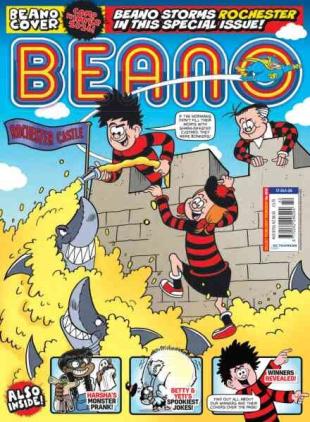
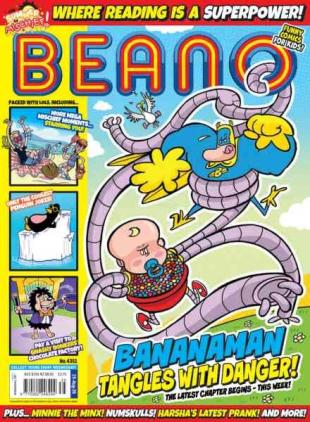
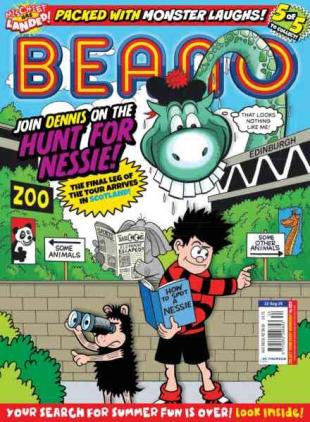
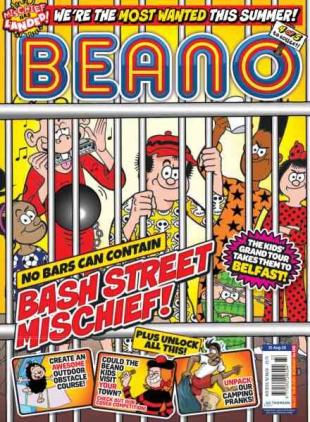
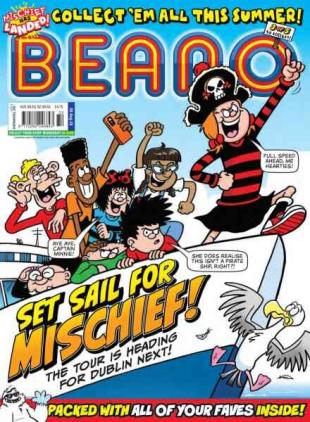
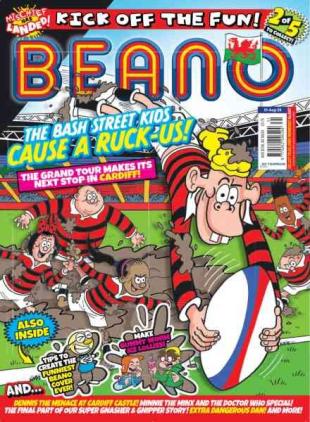
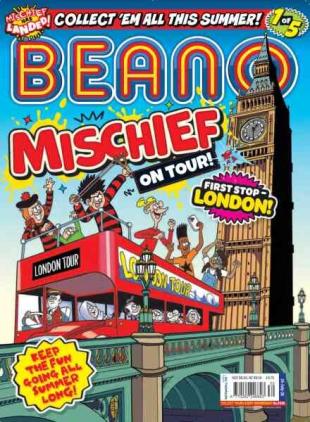
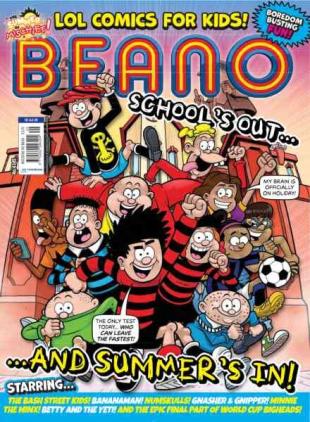
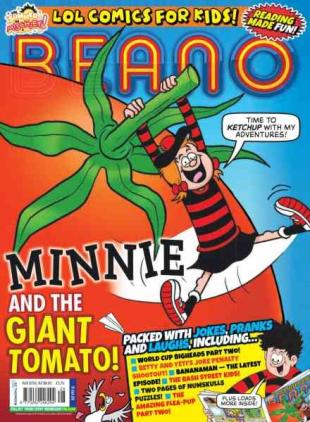
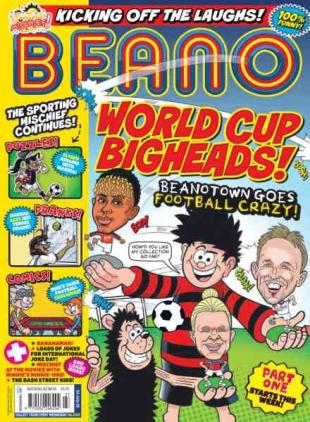
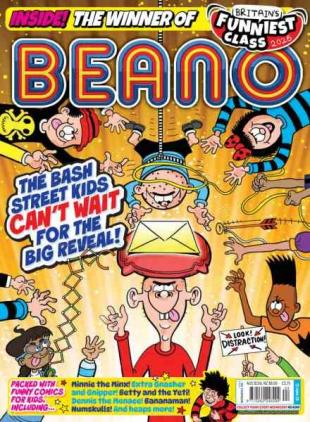
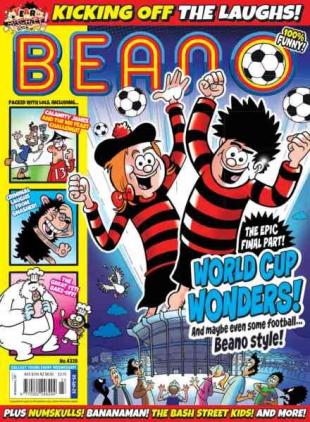
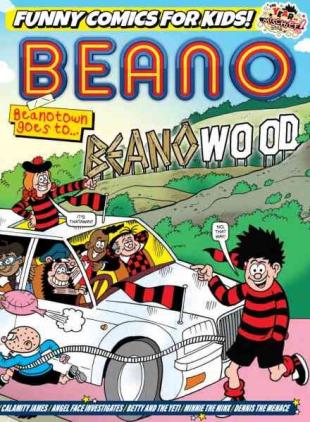
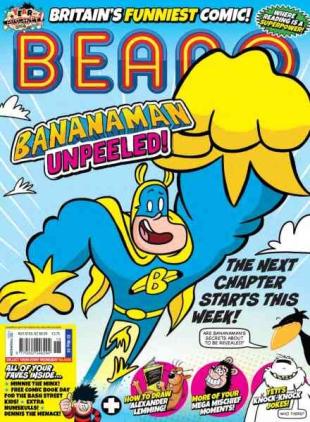
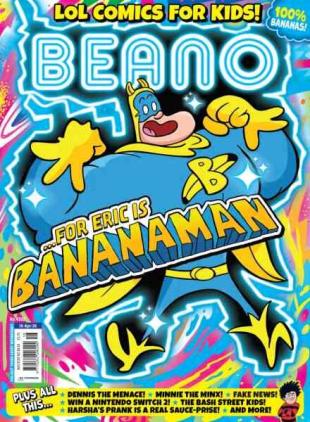
Beano - 14 October 2026Comics 17 Oct 2026
-
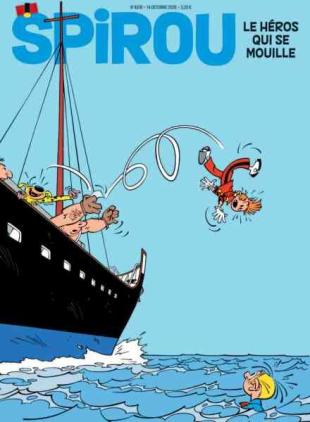
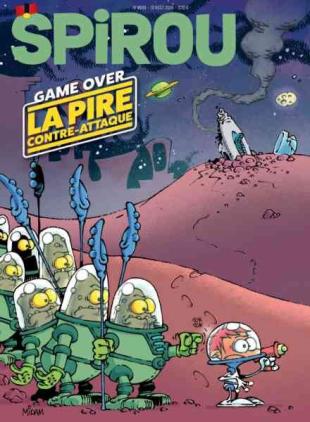
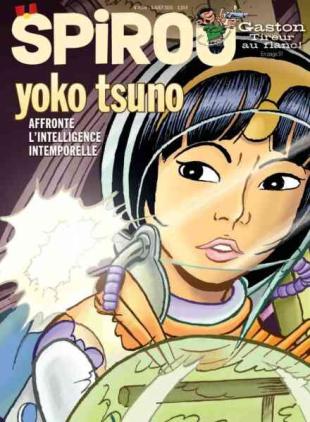
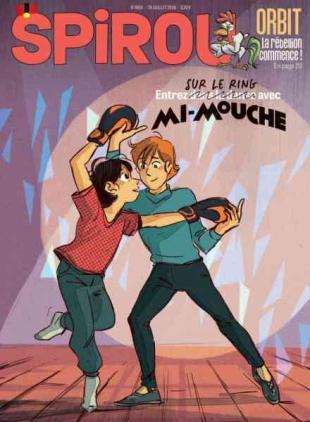
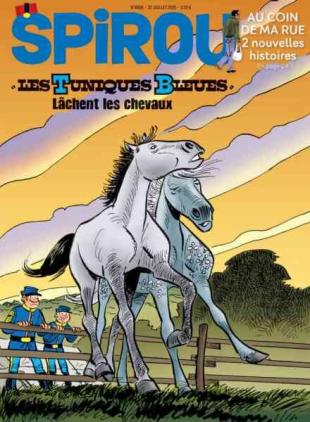
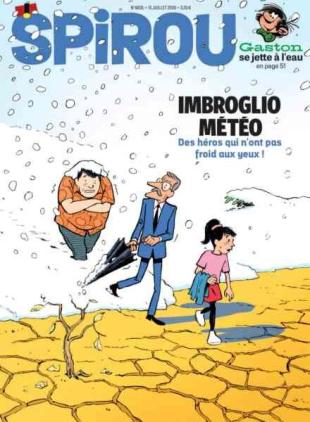
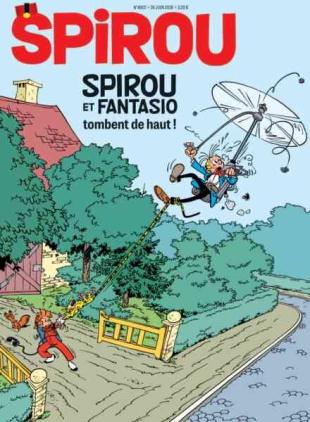
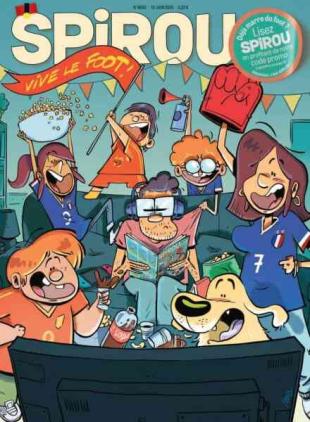
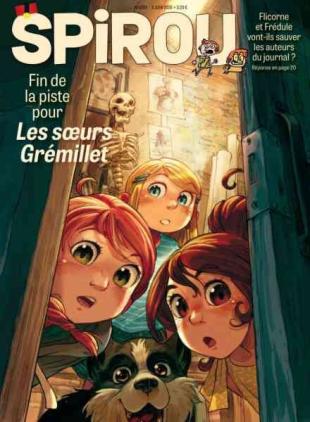
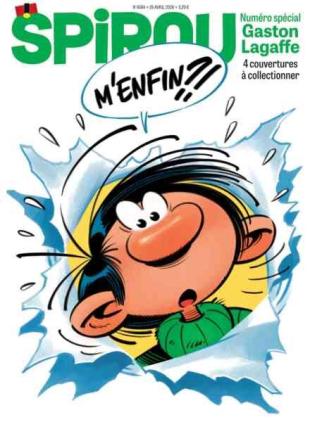
Le Journal de Spirou - 14 Octobre 2026Comics 17 Oct 2026
-
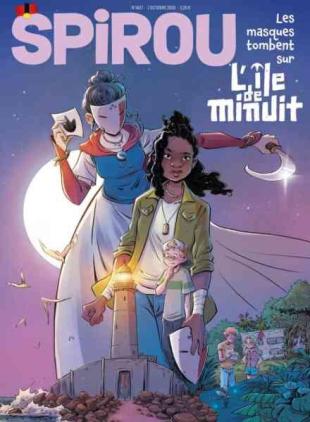
Le Journal de Spirou - 7 Octobre 2026Comics 14 Oct 2026
-
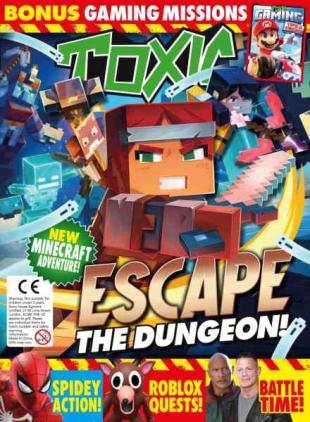
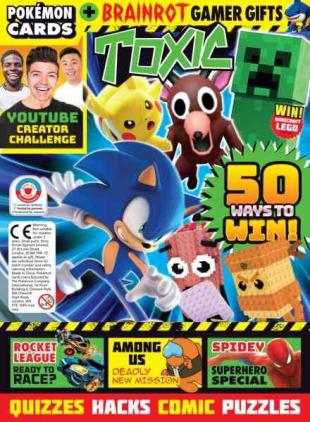
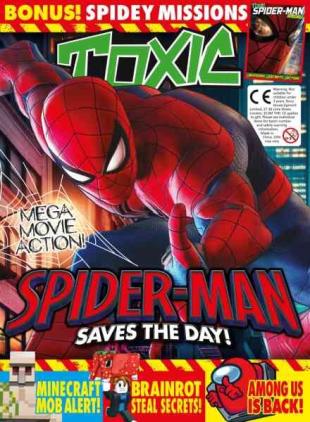
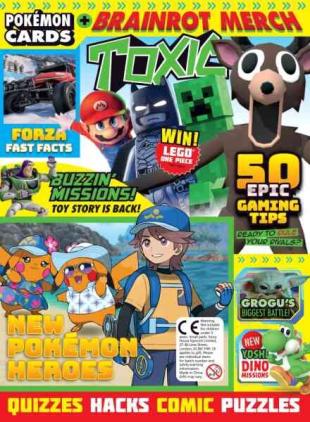
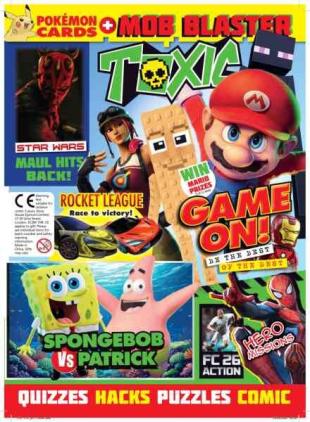
Toxic - Issue 422 2026Comics 11 Oct 2026
-
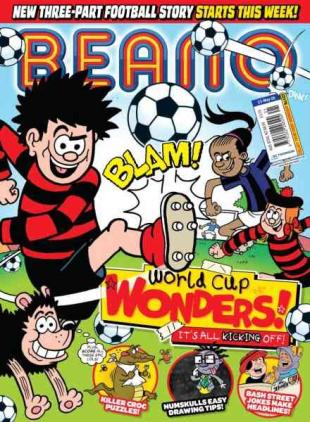
Beano - 30 September 2026Comics 3 Oct 2026
-
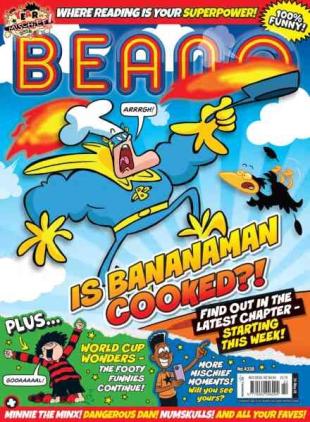
Beano - 23 September 2026Comics 3 Oct 2026
-
Le Journal de Spirou - 30 Septembre 2026Comics 3 Oct 2026
-
Le Journal de Spirou - 23 Septembre 2026Comics 1 Oct 2026
-
Beano - 16 September 2026Comics 23 Sep 2026
-
Toxic - Issue 421 2026Comics 23 Sep 2026
-
Le Journal de Spirou - 16 Septembre 2026Comics 20 Sep 2026
-
Beano - 9 September 2026Comics 16 Sep 2026
-
Le Journal de Spirou - 9 Septembre 2026Comics 15 Sep 2026
-
Le Journal de Spirou - 2 Septembre 2026Comics 9 Sep 2026
-
Beano - 2 September 2026Comics 8 Sep 2026
-
Le Journal de Spirou - 19 Aout 2026Comics 29 Aug 2026
-
Beano - 26 August 2026Comics 27 Aug 2026
-
Beano - 19 August 2026Comics 23 Aug 2026
-
Toxic - Issue 420 2026Comics 21 Aug 2026
-
Le Journal de Spirou - 12 Aout 2026Comics 18 Aug 2026
-
Beano - 12 August 2026Comics 12 Aug 2026
-
Le Journal de Spirou - 5 Aout 2026Comics 10 Aug 2026
-
Beano - 5 August 2026Comics 9 Aug 2026
-
Le Journal de Spirou - 29 Juillet 2026Comics 8 Aug 2026
-
Beano - 29 July 2026Comics 31 Jul 2026
-
Toxic - Issue 419 2026Comics 27 Jul 2026
-
Le Journal de Spirou - 22 Juillet 2026Comics 25 Jul 2026
-
Beano - 22 July 2026Comics 23 Jul 2026
-
Le Journal de Spirou - 15 Juillet 2026Comics 19 Jul 2026
-
Beano - 15 July 2026Comics 15 Jul 2026
-
Beano - 8 July 2026Comics 15 Jul 2026
-
Beano - 1 July 2026Comics 9 Jul 2026
-
La Revue Dessinee - ete 2026Comics 8 Jul 2026
-
Le Journal de Spirou - 1er Juillet 2026Comics 6 Jul 2026
-
Toxic - Issue 418 2026Comics 3 Jul 2026
-
Beano - 17 June 2026Comics 29 Jun 2026
-
Le Journal de Spirou - 17 Juin 2026Comics 28 Jun 2026
-
Beano - 24 June 2026Comics 27 Jun 2026
-
Le Journal de Spirou - 24 Juin 2026Comics 27 Jun 2026
-
Le Journal de Spirou - 10 Juin 2026Comics 16 Jun 2026
-
Beano - 10 June 2026Comics 14 Jun 2026
-
Le Journal de Spirou - 3 Juin 2026Comics 13 Jun 2026
-
Beano - 3 June 2026Comics 3 Jun 2026
-
Toxic - Issue 417 2026Comics 30 May 2026
-
Beano - 20 May 2026Comics 30 May 2026
-
Beano - 27 May 2026Comics 29 May 2026
-
Le Journal de Spirou - 27 Mai 2026Comics 29 May 2026
-
Le Journal de Spirou - 20 Mai 2026Comics 25 May 2026
-
Le Journal de Spirou - 13 Mai 2026Comics 23 May 2026
-
Beano - 13 May 2026Comics 14 May 2026
-
Le Journal de Spirou - 6 Mai 2026Comics 11 May 2026
-
Beano - 6 May 2026Comics 9 May 2026
-
Toxic - Issue 416 2026Comics 4 May 2026
-
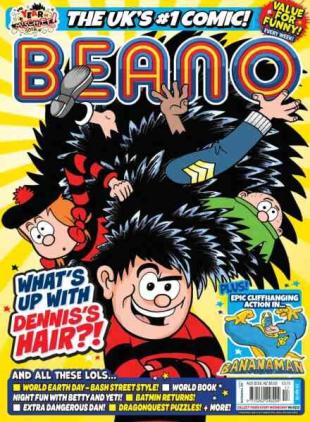
Beano - 29 April 2026Comics 2 May 2026
-
Le Journal de Spirou - 29 Avril 2026Comics 2 May 2026
-
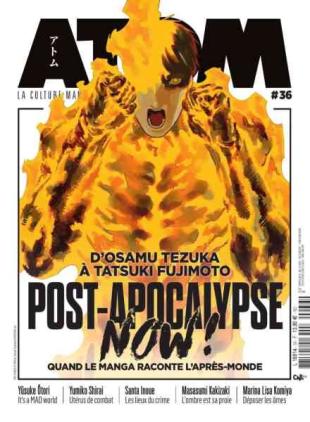
ATOM Magazine - Mars-Mai 2026Comics 28 Apr 2026
-
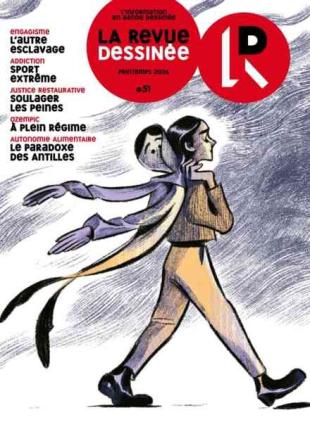
La Revue Dessinee - Printemps 2026Comics 26 Apr 2026
-
Beano - 22 April 2026Comics 24 Apr 2026
-
Beano - 15 April 2026Comics 21 Apr 2026
-
Le Journal de Spirou - 15 Avril 2026Comics 16 Apr 2026
-
Le Journal de Spirou - 8 Avril 2026Comics 13 Apr 2026
-
Beano - 8 April 2026Comics 9 Apr 2026
-
Beano - 1 April 2026Comics 3 Apr 2026
-
Beano - 25 March 2026Comics 2 Apr 2026
-
Le Journal de Spirou - 1er Avril 2026Comics 1 Apr 2026
-
Figuroes das HQs - Edicao 7 2026Comics 1 Apr 2026
-
Beano - 18 March 2026Comics 1 Apr 2026
-
Toxic - Issue 415 2026Comics 31 Mar 2026
-
Le Journal de Spirou - 25 Mars 2026Comics 28 Mar 2026