The Business of Learning — Education Magazines on WebMagz
Education is the most consequential investment any society makes in its own future — and one of the most contested. How children learn, what they should be taught, who gets access to quality schooling, how teachers are trained and supported, what role technology plays in the classroom, and how education systems can be reformed without being destabilized are questions that generate fierce debate precisely because the stakes are so high. The Education category on WebMagz brings together a rich collection of publications covering every dimension of this vital field — from early childhood development and classroom pedagogy to higher education policy, educational technology, adult learning, and the global challenge of expanding access to quality education. Whether you're a teacher, a school leader, a researcher, a parent, or a policy maker, this category offers serious reading that matches the seriousness of the subject.
Across the Learning Spectrum — What the Education Collection Contains
The Education category on WebMagz covers the full arc of learning from birth through adulthood and across every institutional context. Early childhood education publications address the critical developmental years — covering play-based learning, language acquisition, social-emotional development, and the pedagogical approaches that give young children the strongest possible foundation. These titles draw on developmental psychology, neuroscience, and educational research to inform the practice of those working with young children.
Primary and secondary education magazines serve the teachers, school leaders, and educational administrators who make the day-to-day decisions that shape student outcomes. Coverage includes subject-specific pedagogy, classroom management, curriculum development, assessment, inclusion and special educational needs, school culture, and the leadership practices that distinguish high-performing schools from struggling ones. These publications understand that teaching is one of the most complex professional undertakings there is, and they treat it accordingly.
Higher education publications address universities and colleges as both educational institutions and complex organizations — covering academic life, research culture, teaching and learning at degree level, student wellbeing, institutional governance, and the funding and policy environments that shape what universities can do and be. Educational technology magazines have grown significantly in importance, covering the tools, platforms, and pedagogical approaches that are changing how learning happens — from learning management systems and adaptive technology to AI tutoring tools and the ongoing debate about screens in classrooms.
International development and education policy titles take a global view, addressing the challenge of expanding educational access and quality in low- and middle-income countries — covering what works, what doesn't, and the political and economic constraints that shape what's possible. Adult learning, professional development, and lifelong education round out a category that understands learning as a lifelong process, not a childhood phase.
Respected Voices in Education Publishing
The Education collection on WebMagz includes publications that carry genuine authority in the field. Times Educational Supplement (TES) is one of the most widely read education publications in the world — its weekly coverage of education news, policy analysis, classroom resources, and teacher career guidance has made it essential reading for UK educators for over a century, and its international reach has grown significantly in the digital era.
Education Week serves a comparable function in the American education landscape — providing authoritative coverage of K-12 education policy, school leadership, teaching practice, and the research that shapes how American schools operate. Its reporting on education reform debates is among the most thorough and reliable available. The Chronicle of Higher Education is the leading publication for the American university sector — covering academic culture, research policy, institutional governance, faculty issues, and the financial and political pressures facing higher education with sustained depth and journalistic rigor.
Phi Delta Kappan, published since 1915, is one of the most respected practitioner-focused education journals in the United States — its combination of research synthesis and practical application makes it particularly valuable for teachers and school leaders who want evidence-based guidance without pure academic abstraction. Educational Leadership, published by the Association for Supervision and Curriculum Development, covers school leadership and instructional practice with a similarly strong commitment to research-informed content.
For international education coverage, Prospects — published by UNESCO's International Bureau of Education — provides comparative analysis of education systems, reform efforts, and policy debates from a genuinely global perspective, making it invaluable for researchers and policy makers working across national contexts.
The Case for Reading Seriously About Education
Education is a field where research findings and classroom practice are often separated by years or decades — where what is known about effective teaching takes a long time to travel from academic journals into the professional development programs that reach working teachers. Quality education publications serve as transmission mechanisms for this knowledge, translating research into accessible, actionable guidance that practitioners can actually use.
They also serve as forums for the debates that shape education policy — about the role of standardized testing, the merits of different pedagogical philosophies, the impact of technology on learning and attention, the purpose of university education, and the relationship between schooling and inequality. These are not merely academic debates; their outcomes determine the educational experiences of hundreds of millions of children and young people around the world. Reading seriously about education is one way of participating in those conversations more intelligently.
For teachers and school leaders specifically, education magazines offer something rare in a demanding profession: time to think. The pace of classroom and school life leaves little space for reflection on practice, engagement with research, or consideration of approaches being tried elsewhere. A good education publication creates that space — providing professional insight, practical ideas, and the sense of connection to a broader professional community that sustains people through the real difficulties of educational work.
Teachers, Leaders, Researchers, and Parents — The Education Readership
The Education category draws a readership that spans every role in the educational ecosystem. Classroom teachers across every phase and subject area make up the largest segment — following publications that offer both immediate practical support and longer-term professional development. School leaders — headteachers, principals, department heads, and governors — follow the leadership and management titles that address the organizational challenges of running effective educational institutions.
Educational researchers and academics follow the more analytically rigorous publications that bridge scholarly research and professional practice, keeping them connected to the empirical evidence base that should inform policy and pedagogy. Policy makers and government officials working in education departments follow the policy titles that provide international comparative data and analysis of reform efforts across different national contexts.
Parents who want to understand how their children's education works — what the research says about learning, what to look for in a school, how to support learning at home — find the more accessible titles in this category genuinely useful. Educational technology professionals working in ed-tech companies, school IT departments, and learning design follow the specialist publications covering their rapidly evolving field. And a broader readership of anyone who cares about education as a social and political question — economists, sociologists, journalists, community advocates — follows the policy and commentary titles with engaged interest.
Frequently Asked Questions About Education Magazines
- Are there magazines covering specific age groups or school phases? Yes — the category includes publications focused on early childhood and preschool education, primary and elementary schooling, secondary and high school education, and higher education, alongside titles that address the full educational journey. Whatever phase of education you work in or are interested in, there are relevant publications here.
- Do education magazines cover teaching in international and multilingual contexts? International and comparative education is well represented in the category — covering teaching in diverse linguistic contexts, international schools, education for migrant and refugee populations, and the comparative study of different national education systems and their outcomes.
- Are educational technology and ed-tech publications included? Yes — educational technology is a significant strand within the Education category, with publications covering classroom technology, learning management systems, adaptive learning tools, AI in education, and the ongoing debate about how digital technology changes the learning process.
- Can parents and non-specialists find accessible reading in this category? Several titles in the Education category are written for a broad readership that includes engaged parents, community advocates, and general readers interested in education as a social and political issue, alongside the more specialist publications aimed at professional practitioners and researchers.
Downloading Education Magazines on WebMagz
Every title in the Education category is available as a PDF download on WebMagz — preserving the full editorial content, including the charts, research summaries, case studies, and classroom resources that make education publications particularly information-dense. Browse the category to find publications matching your specific role, interests, or research needs, and download directly. The collection is updated regularly with new issues, ensuring that the professional knowledge base accessible through WebMagz stays current with a field in constant development.
Invest in Understanding Education
Education shapes everything — individual life chances, social mobility, economic productivity, democratic participation, and cultural vitality. Understanding it well is worth every minute of serious reading. The Education category on WebMagz is here to support that understanding, whatever your relationship to learning and schooling. Start exploring today.
-
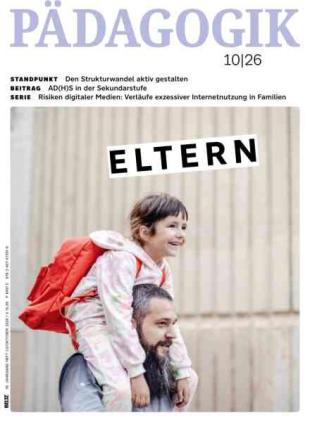
Padagogik - Oktober 2026Education 23 Oct 2026
-
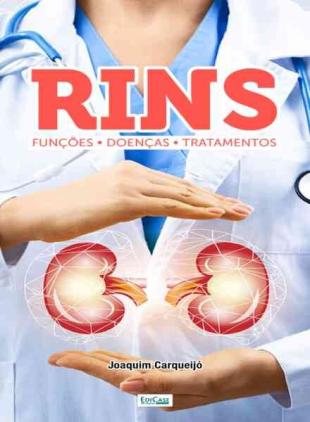
Minibooks EdiCase - 12 Outubro 2026Education 17 Oct 2026
-
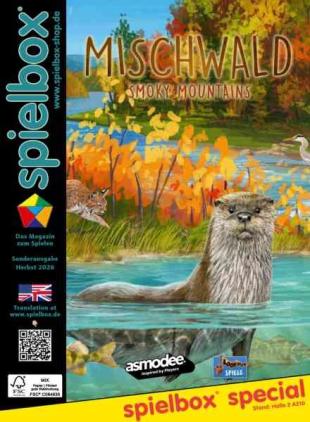
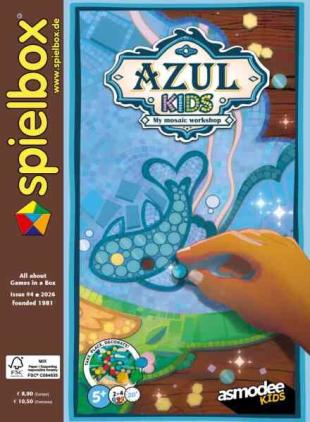
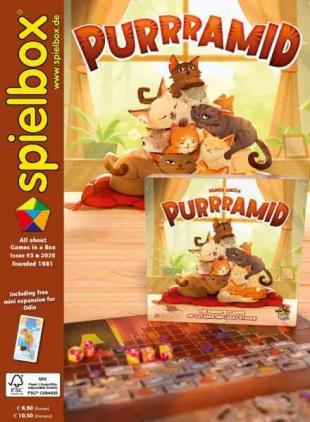
spielbox Special - Herbst 2026Education 15 Oct 2026
-
Minibooks EdiCase - 5 Outubro 2026Education 13 Oct 2026
-
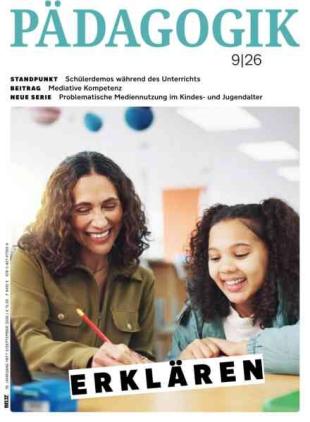
Padagogik - September 2026Education 12 Oct 2026
-
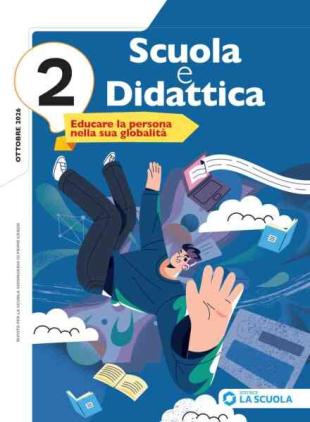
Scuola e Didattica - Ottobre 2026Education 11 Oct 2026
-
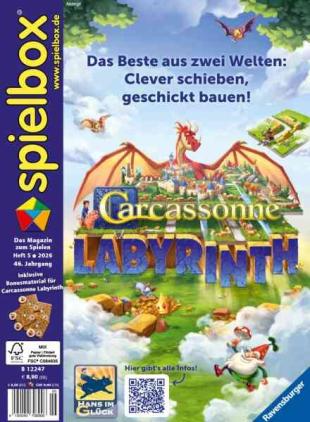
Spielbox - Oktober 2026Education 11 Oct 2026
-
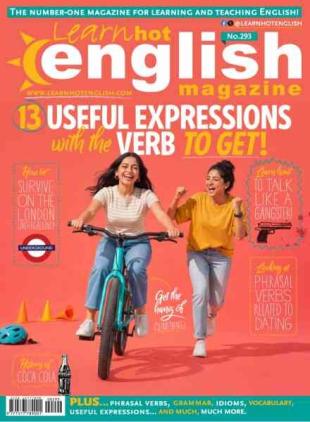
Learn Hot English - Issue 293 2026Education 7 Oct 2026
-
School Library Journal - October 2026Education 29 Sep 2026
-
Minibooks EdiCase - 21 Setembro 2026Education 25 Sep 2026
-
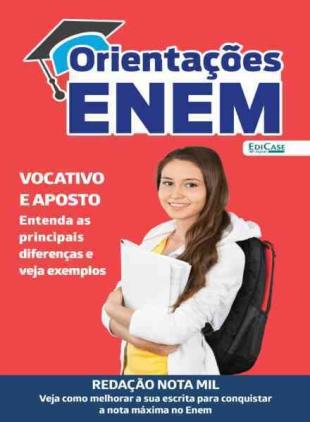
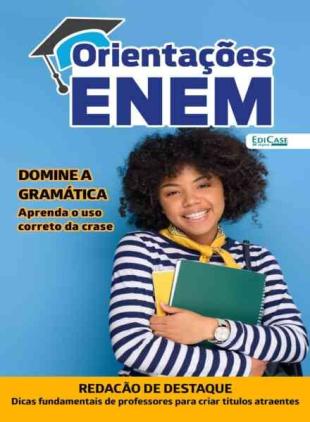
Orientacoes Enem - Setembro 2026Education 25 Sep 2026
-
Minibooks EdiCase - 14 Setembro 2026Education 19 Sep 2026
-
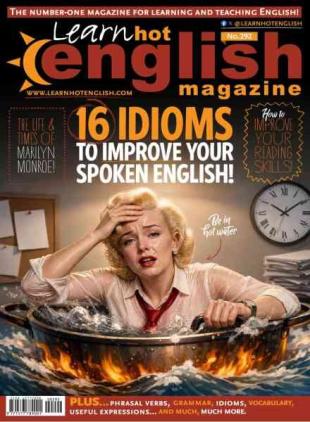
Learn Hot English - Issue 292 2026Education 13 Sep 2026
-
Minibooks EdiCase - 1 Setembro 2026Education 10 Sep 2026
-
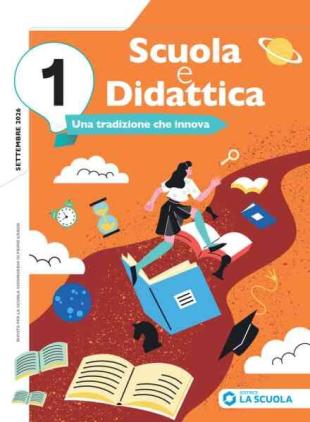
Scuola e Didattica - Settembre 2026Education 3 Sep 2026
-
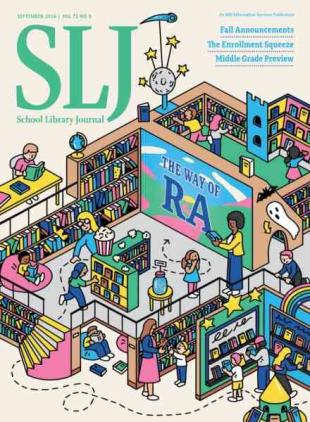
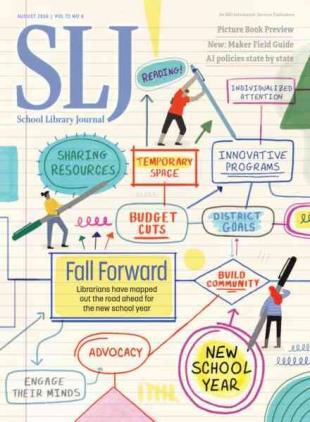
School Library Journal - September 2026Education 31 Aug 2026
-
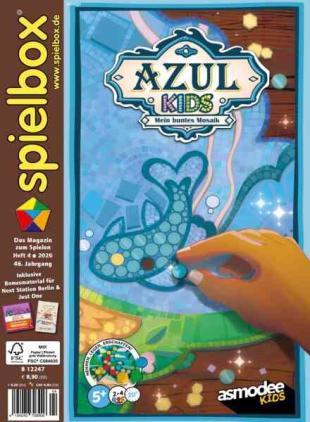
Spielbox English Edition - Issue 4 2026Education 31 Aug 2026
-
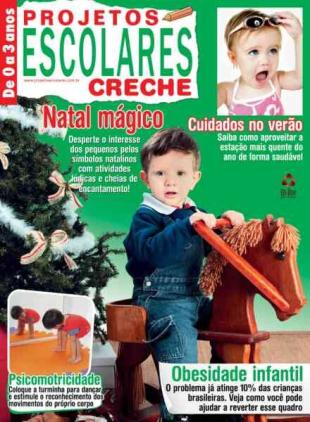
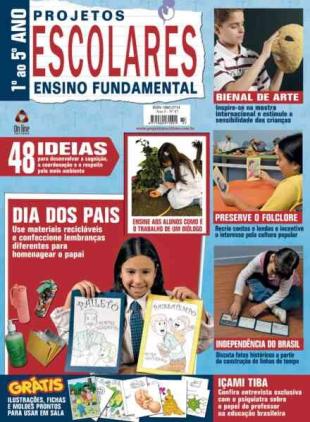
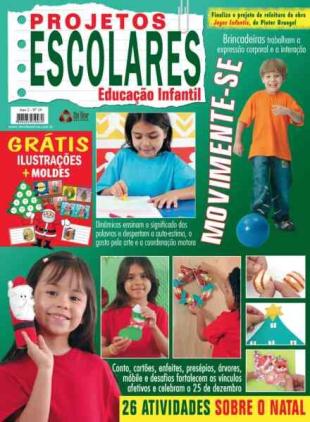
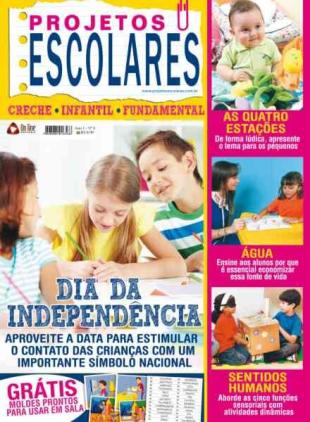
Projetos Escolares - 24 Outubro 2025Education 29 Aug 2026
-
Minibooks EdiCase - 24 Agosto 2026Education 28 Aug 2026
-
Guia de Decoracao - Outubro 2025Education 28 Aug 2026
-
Minibooks EdiCase - 17 Agosto 2026Education 25 Aug 2026
-
Orientacoes Enem - Agosto 2026Education 20 Aug 2026
-
Minibooks EdiCase - 10 Agosto 2026Education 14 Aug 2026
-
Spielbox - August 2026Education 10 Aug 2026
-
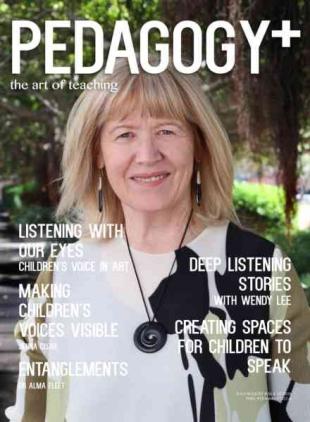
Pedagogy+ - July-August 2026Education 10 Aug 2026
-
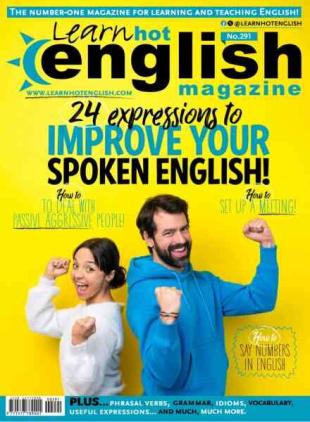
Learn Hot English - Issue 291 2026Education 4 Aug 2026
-
Minibooks EdiCase - 27 Julho 2026Education 2 Aug 2026
-
Minibooks EdiCase - 3 Agosto 2026Education 1 Aug 2026
-
Guia Educando - 29 Julho 2026Education 31 Jul 2026
-
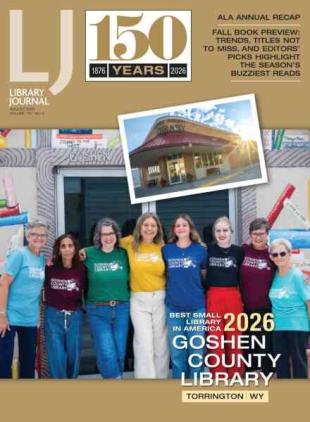
Library Journal - August 2026Education 31 Jul 2026
-
Orientacoes Enem - Julho 2026Education 31 Jul 2026
-
School Library Journal - August 2026Education 28 Jul 2026
-
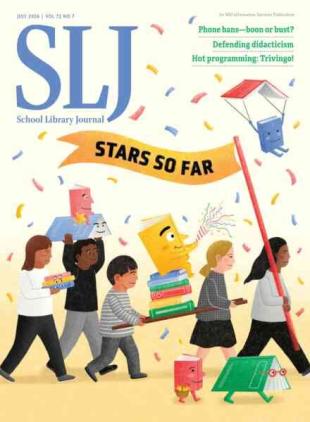
School Library Journal - July 2026Education 27 Jul 2026
-
Guia Educando - 14 Julho 2026Education 23 Jul 2026
-
Minibooks EdiCase - 20 Julho 2026Education 19 Jul 2026
-
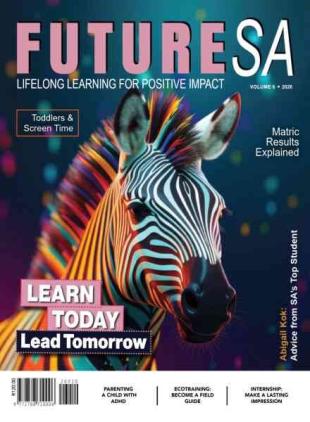
Future SA - Volume 6 2026Education 18 Jul 2026
-
Minibooks EdiCase - 13 Julho 2026Education 17 Jul 2026
-
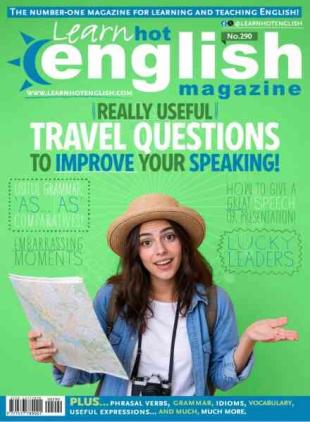
Learn Hot English - Issue 290 2026Education 12 Jul 2026
-
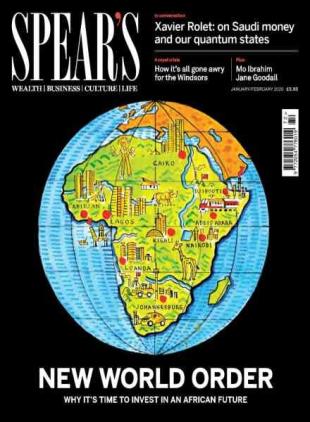
Spear's Magazine - January-February 2020Education 10 Jul 2026
-
Minibooks EdiCase - 29 Junho 2026Education 10 Jul 2026
-
Spear's Magazine - April 2025Education 10 Jul 2026
-
Spear's Magazine - July 2025Education 9 Jul 2026
-
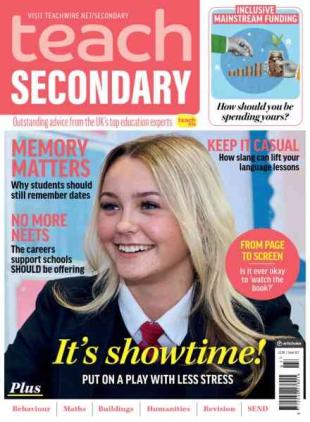
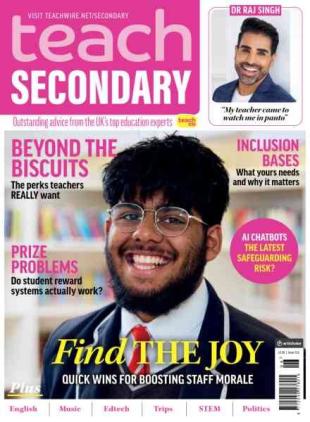
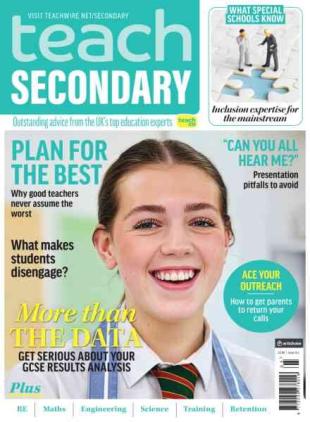
Teach Secondary - July-August 2026Education 9 Jul 2026
-
Spear's Magazine - April 2022Education 9 Jul 2026
-
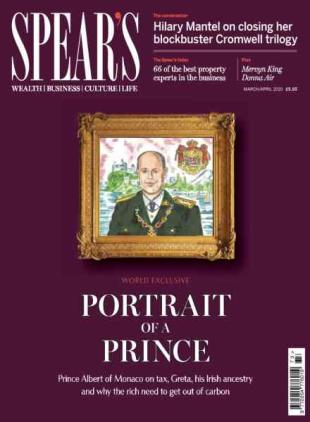
Spear's Magazine - March-April 2020Education 8 Jul 2026
-
Padagogik - Juli-August 2026Education 8 Jul 2026
-
Spear's Magazine - January 2022Education 8 Jul 2026
-
Minibooks EdiCase - 6 Julho 2026Education 8 Jul 2026
-
Spear's Magazine - October 2021Education 7 Jul 2026
-
Spear's Magazine - January 2024Education 7 Jul 2026
-
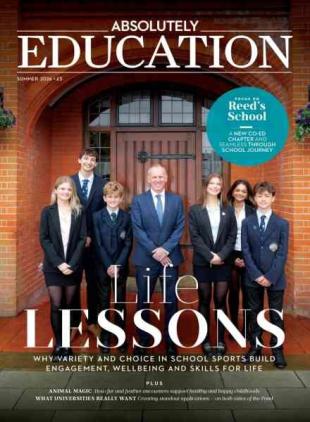
Absolutely Education - Summer 2026Education 7 Jul 2026
-
Spear's Magazine - January 2021Education 6 Jul 2026
-
Spear's Magazine - July 2021Education 6 Jul 2026
-
Spear's Magazine - July 2023Education 6 Jul 2026
-
Spear's Magazine - October 2023Education 5 Jul 2026
-
Spear's Magazine - April 2023Education 5 Jul 2026
-
Spear's Magazine - February 2026Education 5 Jul 2026
-
Spear's Magazine - July 2022Education 4 Jul 2026
-
Spear's Magazine - July 2024Education 2 Jul 2026
-
Spear's Magazine - July-August 2020Education 2 Jul 2026