Turn It Up — Music Magazines on WebMagz
Music is the most universal human art form — present in every known culture, across every period of recorded history, and capable of crossing the boundaries of language, geography, and social difference that divide other forms of communication. It is also, for many people, the most personally significant: the songs and albums that form the soundtrack of a life carry emotional associations that nothing else can replicate. The Music category on WebMagz brings together a rich and varied collection of publications devoted to this universal art — covering rock and pop, jazz and classical, hip-hop and electronic, folk and country, and the full spectrum of the music world from bedroom producers to concert hall orchestras, from street-level subcultures to global superstars. Whether you listen, play, collect, or create, this category has the reading material that matches your passion.
Across Every Genre and Every Instrument — What the Music Collection Contains
The Music category on WebMagz is as diverse as music itself. Rock and pop publications anchor the collection — the magazines that have documented and driven popular music culture since the genre press emerged in the 1950s and 1960s, covering artists, albums, concerts, and the cultural moments that make music the defining art form of the modern era. These titles range from the broad-spectrum weeklies that cover all of popular music to the dedicated genre publications serving specific communities of fans with focused, expert coverage.
Classical music magazines serve the orchestral, chamber, opera, and contemporary classical communities with reviews, artist profiles, recording recommendations, and the historical and theoretical knowledge that enriches the experience of serious listening. Jazz publications bring the same depth of coverage to the world's most harmonically complex popular music tradition — covering the history, the great recordings, the contemporary scene, and the technical knowledge that makes jazz analysis so rewarding. Hip-hop, electronic, and dance music magazines document the traditions that have arguably driven the most significant musical developments of the past four decades — covering production techniques, cultural context, and the artists and movements that have taken these genres from underground origins to global dominance.
Instrument-specific magazines serve the players — guitar, bass, drums, piano, violin, brass, woodwind, and beyond — with the technique guidance, instrument reviews, gear advice, and artist interviews that help musicians at every level improve their playing and understand their instrument more deeply. Music production and technology publications cover the recording studio and the home producer's setup with equal attention — addressing DAW software, hardware synthesizers, microphones, mixing techniques, and the creative and technical decisions that shape how recorded music sounds. Collector and vinyl publications serve the community of dedicated record collectors whose relationship with music is inseparable from the physical objects it comes on.
What Music Magazines Do That Streaming Platforms Cannot
Streaming has transformed how people access music — making virtually all recorded music available to virtually anyone, anywhere, instantly. What it has not provided, and cannot provide, is the context, narrative, and critical framework that makes music fully comprehensible and deeply meaningful. Knowing that a particular album exists is different from understanding why it matters, what came before it, how it was made, what it meant to the people who made it, and what it changed about the music that came after. That understanding comes from reading — from the long interviews, the album retrospectives, the production features, and the genre histories that music magazines have been producing for decades.
Music magazines also serve a discovery function that algorithmic recommendation cannot fully replace. An algorithm shows you more of what it has already identified as your preferences — it optimizes for the familiar. A great music magazine introduces you to artists and albums you would never have encountered on your own, expanding your listening world in directions you couldn't have predicted and wouldn't have sought. Some of the most significant musical discoveries people make happen through reading — through a review that makes a record sound unmissable, a profile that makes an artist seem essential, a retrospective that reveals the importance of something you'd dismissed.
For musicians specifically, music magazines are professional development tools as well as sources of pleasure. Technique columns, gear reviews, artist insights into creative process, production breakdowns, and the broader industry coverage that keeps working musicians aware of how their professional world is evolving — all of this has direct practical value for anyone who makes music at any level.
Listeners, Players, Collectors, and Creators — The Music Readership
The Music category serves an exceptionally broad readership united by the centrality of music in their lives. Dedicated music fans who listen seriously and follow the careers of artists across decades make up the largest segment — people for whom music is a genuine passion rather than background sound, and who want to engage with it at a depth that casual listening alone doesn't satisfy. These readers follow reviews, read interviews, track releases, and use music magazines to place what they're hearing in a broader cultural and historical context.
Musicians at every level — students learning their instruments, amateur players who practice seriously, semi-professional gigging musicians, and fully professional artists — follow the instrument-specific and music production titles that serve their particular needs. Record collectors and vinyl enthusiasts pursue the collecting publications that help them navigate the market, identify pressings, and discover the recordings worth seeking out. Music industry professionals — managers, label executives, booking agents, promoters, and studio engineers — follow the trade publications that keep them current with an industry undergoing constant structural change.
Classical music listeners and opera enthusiasts represent a particularly loyal and knowledgeable readership, following the publications that serve their communities with the depth and specificity that general music magazines rarely achieve for these genres. Jazz devotees, electronic music producers, and the dedicated communities around specific genres and subgenres all have their own publications within the category.
The Titles That Have Defined Music Journalism
The Music collection on WebMagz includes publications that have shaped how music is written about, thought about, and valued. Rolling Stone, founded in San Francisco in 1967, is arguably the most culturally significant music magazine ever published — its combination of music coverage, political journalism, and cultural criticism made it the voice of a generation and its archives are among the most important documents of popular culture from the late twentieth century. NME (New Musical Express) has played a comparable role in British music culture since 1952 — breaking artists, launching movements, and writing about rock and pop with an urgency and commitment that has made it essential reading for over seven decades.
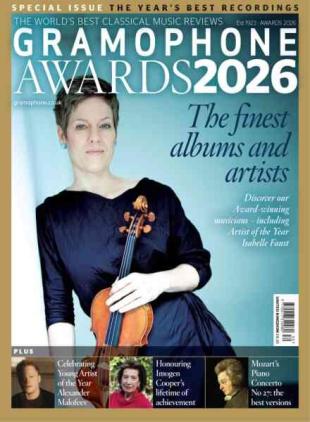
Mojo serves the serious rock and roots music enthusiast with a depth of historical knowledge and critical engagement that positions it at the quality end of popular music publishing — its album retrospectives and artist profiles are among the finest in the genre press. Gramophone, published since 1923, is the definitive voice in classical music publishing — its recording reviews and artist coverage are trusted by serious listeners and music professionals worldwide as the authoritative reference in their field. DownBeat occupies the same position in jazz — its combination of musician profiles, recording reviews, and industry coverage has made it essential reading for the jazz community since 1934.
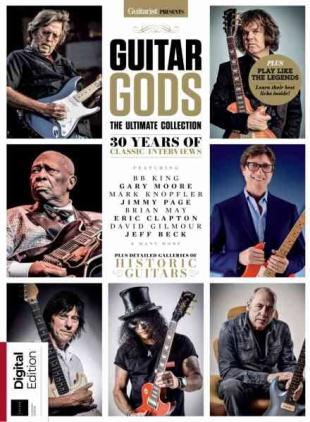
Guitar World and Bass Player serve their respective instrument communities with the technique features, gear reviews, and artist interviews that make them essential companions for serious players. Future Music and Computer Music serve the music production community with the technical depth and practical focus that producers at every level need. Record Collector serves the vinyl and music collecting community with market information, artist profiles, and the discographical expertise that serious collectors rely on.
Frequently Asked Questions About Music Magazines
- Are there magazines covering specific genres in depth, or mainly general music publications? The collection includes both broad-spectrum music publications covering multiple genres and dedicated specialist titles serving specific musical communities — jazz, classical, hip-hop, electronic, country, folk, metal, and more. Whatever genre or genres you love most deeply, dedicated coverage is available.
- Do music magazines cover live music and concerts alongside recorded music? Live music — concert reviews, festival coverage, touring news, and the culture of live performance — is a significant component of most music publications. Several titles in the collection focus particularly on the live music experience alongside their recorded music coverage.
- Are instrument-specific magazines suitable for beginners or mainly for experienced players? Most instrument publications serve readers across a range of skill levels — with beginner technique columns and introductory content alongside the advanced material aimed at experienced players. Many explicitly grade their content by difficulty, making it straightforward to find the guidance most relevant to your current playing level.
- Do music production magazines cover both hardware synthesizers and software DAWs? Yes — contemporary music production publications cover both the hardware and software dimensions of music making, reflecting the reality that most producers work across both domains. Synthesizer reviews, DAW tutorials, plugin recommendations, and studio setup guidance sit alongside each other in the best production titles.
- Can I find magazines covering the music industry and business of music alongside creative content? The Music category includes publications with significant coverage of the music industry — the business of recording, releasing, touring, licensing, and the structural changes that streaming and social media have brought to how music is monetized and distributed. This sits alongside the purely creative and fan-oriented content in many of the major titles.
- Are vinyl collecting and physical music format publications included? Yes — the culture and practice of vinyl collecting, the physical music format market, and the community of dedicated collectors who pursue original pressings and rare releases are served by specialist publications within the Music category that bring the same depth of expertise to their subject that other hobby collecting publications bring to theirs.
Finding Your Music Reading on WebMagz
Every title in the Music category is available as a PDF download on WebMagz — preserving the photography, layout, and design quality that make music publications so enjoyable as physical objects as well as reading matter. Browse the collection to find publications matched to your specific musical passions, and download directly. The collection spans genres, instruments, and approaches to music coverage — updated regularly with new issues that keep the reviews, interviews, and cultural commentary current. Turn the page, turn up the volume.
-
Legacy - September-Oktober 2026Music Yesterday
-
Gramophone - Awards 2026Music 23 Oct 2026
-
Buscadero - Novembre 2026Music 23 Oct 2026
-
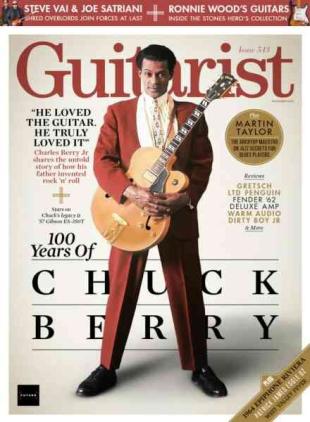
Guitarist - November 2026Music 22 Oct 2026
-
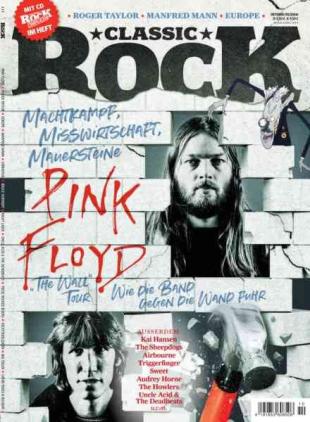
Classic Rock Germany - November 2026Music 21 Oct 2026
-
Discovery Publicacoes - 15 Outubro 2026Music 21 Oct 2026
-
Metal Hammer UK - November 2026Music 21 Oct 2026
-
 Neko - Autumn 2026Music 21 Oct 2026
 -
In Focus - Jellycat 2026Music 19 Oct 2026
-
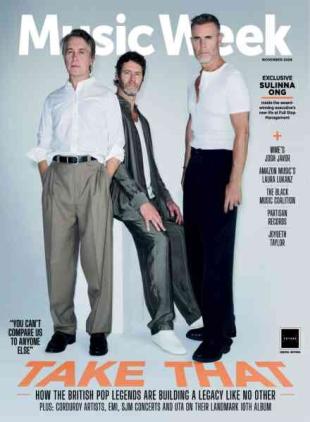
Music Week - November 2026Music 18 Oct 2026
-
Concerto - Oktober 2026Music 17 Oct 2026
-
BBC Music - November 2026Music 17 Oct 2026
-
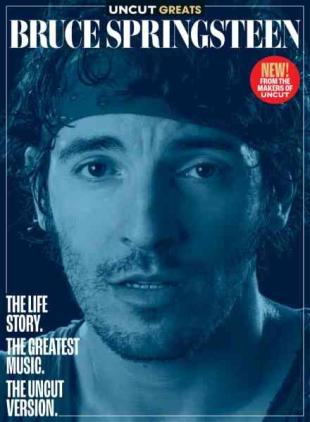
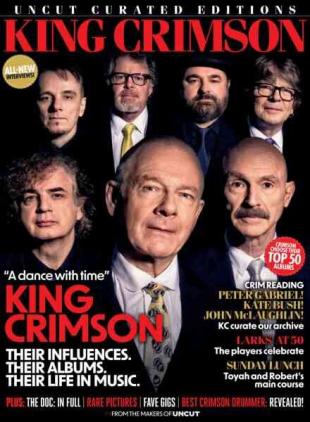
Uncut UK - December 2026Music 16 Oct 2026
-
Colecao Toque Facil - Outubro 2026Music 15 Oct 2026
-
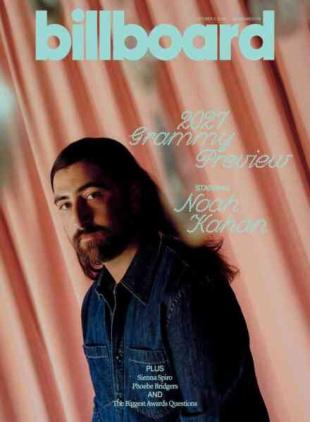
Billboard - October 10 2026Music 14 Oct 2026
-
Gitarist Netherlands - November 2026Music 14 Oct 2026
-
RetroPop - Automne 2026Music 14 Oct 2026
-
Billboard - October 3 2026Music 13 Oct 2026
-
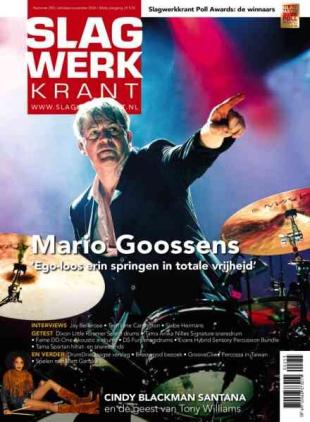
Slagwerkkrant - Oktober-November 2026Music 13 Oct 2026
-
Musikexpress - November 2026Music 13 Oct 2026
-
Plectrum Magazine - October-December 2026Music 13 Oct 2026
-
Meine Melodie - November 2026Music 11 Oct 2026
-
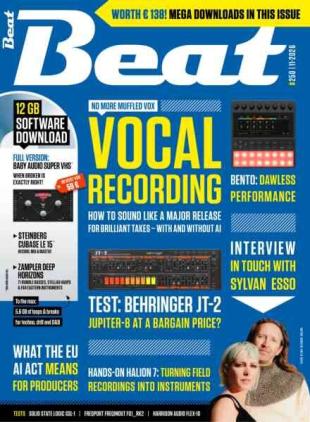
Beat English Edition - November 2026Music 10 Oct 2026
-
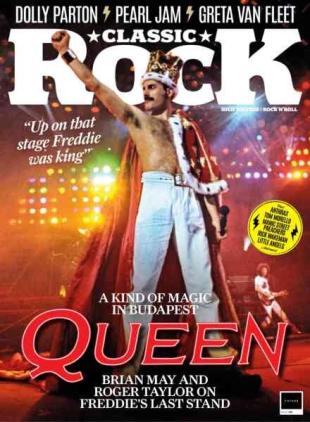
Classic Rock UK - November 2026Music 10 Oct 2026
-
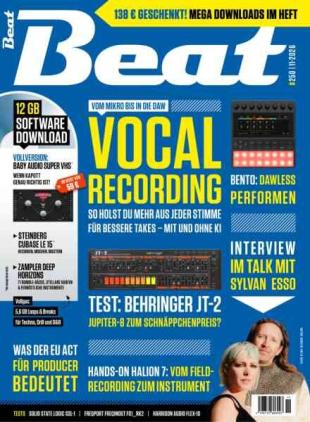
Beat - November 2026Music 10 Oct 2026
-
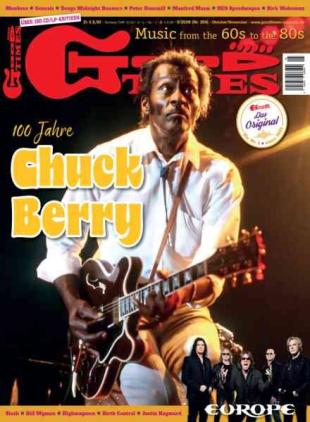
GoodTimes - Oktober-November 2026Music 10 Oct 2026
-
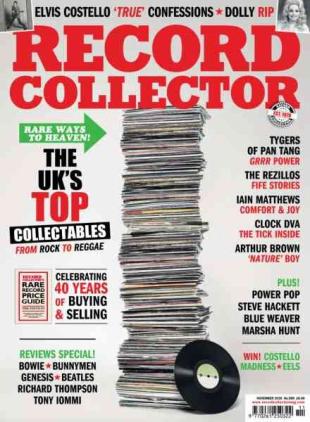
Record Collector - November 2026Music 9 Oct 2026
-
The Strad - November 2026Music 9 Oct 2026
-
Blasmusik - Oktober 2026Music 9 Oct 2026
-
Rolling Stone USA - October 2026Music 9 Oct 2026
-
Guitar Club Magazine - Ottobre 2026Music 9 Oct 2026
-
Guitar World - December 2026Music 8 Oct 2026
-
TJPL News - October 2026Music 7 Oct 2026
-
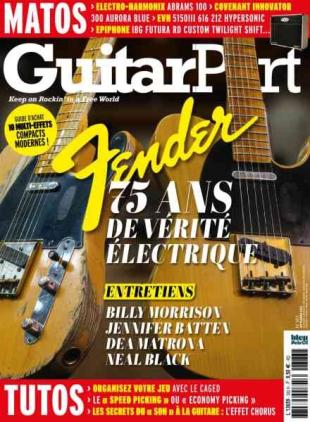
Guitar Part - Septembre 2026Music 6 Oct 2026
-
Sweden Rock Magazine - September 2026Music 6 Oct 2026
-
Buhne - 1 Oktober 2026Music 6 Oct 2026
-
Rolling Stone Germany - Oktober 2026Music 5 Oct 2026
-
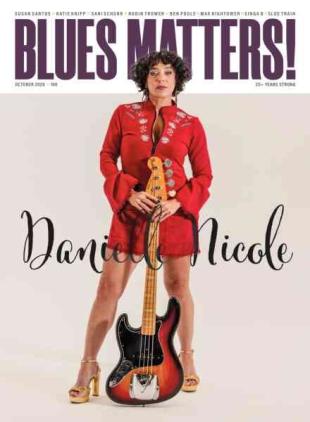
Blues Matters! - October 2026Music 4 Oct 2026
-
Shindig! - October 2026Music 3 Oct 2026
-
Vintage Guitar - October 2026Music 3 Oct 2026
-
Mucke - September 2026Music 2 Oct 2026
-
FAZEmag - Oktober 2026Music 2 Oct 2026
-
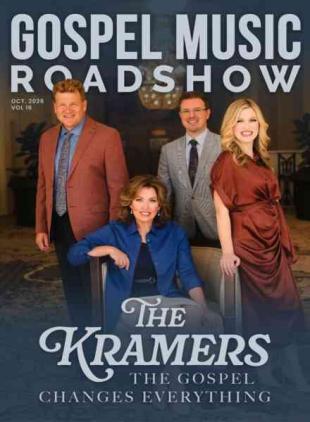
Gospel Music Roadshow - October 2026Music 1 Oct 2026
-
Diapason - Octobre 2026Music 1 Oct 2026
-
Lust For Life - Oktober 2026Music 30 Sep 2026
-
Classic Rock Germany - Oktober 2026Music 29 Sep 2026
-
Lira Musikmagasin - September 2026Music 29 Sep 2026
-
Jazz Magazine - Octobre 2026Music 28 Sep 2026
-
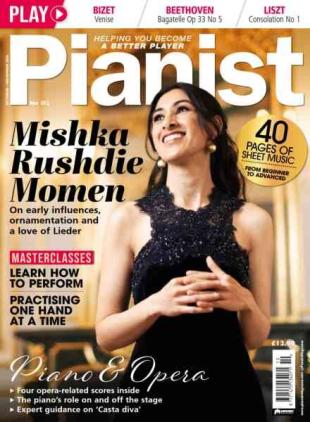
Pianist - October-November 2026Music 28 Sep 2026
-
Guitarist - October 2026Music 27 Sep 2026