Form, Function, and Everything in Between — Design Magazines on WebMagz
Design is everywhere, and most of the time we don't notice it — which is exactly the point. The chair that feels right after eight hours of sitting, the app that never makes you think twice about where to tap, the packaging that makes an ordinary product feel special, the typeface that makes a long article readable without effort. Great design is invisible in the best possible way: it solves problems so elegantly that the solution feels inevitable. Bad design, on the other hand, announces itself constantly through friction, confusion, and frustration. The Design category on WebMagz is a celebration of the former and a study in avoiding the latter — a collection of the world's finest design publications covering graphic design, industrial design, typography, UX, branding, product design, and the broader culture of making things well.
What's Inside — The Full Scope of Our Design Library
The Design category on WebMagz is one of the most intellectually stimulating in our entire collection, reflecting a discipline that touches almost every aspect of modern life. Graphic design publications cover the visual communication craft in all its forms — identity systems and branding, editorial design and publication layout, poster art, illustration, packaging, signage, and the digital design languages that have evolved alongside the screen-based world. These magazines are visual feasts as much as reading material, with production quality that reflects the values they write about.
Typography has its own dedicated corner of the collection — publications for the readers who know the difference between a humanist sans and a geometric one, who have opinions about leading and kerning, and who understand that choosing the right typeface for a project is as consequential as any other design decision. Industrial and product design magazines cover the three-dimensional world — furniture, consumer electronics, household objects, transportation design, and the industrial processes and materials that shape what things look like and how they work.
UX and interaction design publications address the discipline that has arguably done more than any other to shape daily life in the twenty-first century — covering the principles, methods, and debates that determine how digital products feel and behave. Interior design, environmental design, and exhibition design round out a category that understands design not as a single discipline but as a family of related practices, all united by the ambition to make the human-made world better than it would otherwise be.
The Case for Reading Design Seriously
Design magazines make the argument, issue after issue, that how things look and work is not a superficial concern — it's a fundamental one. A well-designed hospital environment reduces patient anxiety and speeds recovery. A poorly designed voting ballot changes the outcome of elections. A thoughtfully designed neighborhood street reduces traffic speeds and increases social interaction. These are not aesthetic preferences; they are measurable human outcomes shaped by design decisions. Understanding design is understanding the world.
For practitioners — designers, art directors, creative directors, brand strategists, UX researchers, product managers — these publications are essential professional development tools. They provide exposure to work being done globally, access to the thinking of leading designers, and the critical vocabulary to evaluate and discuss design decisions with precision. In a field where visual culture moves fast and client sophistication varies enormously, staying current through quality publications is a competitive advantage.
For everyone else — the manager who needs to commission a brand identity, the founder who is building their first digital product, the consumer who wants to understand why some things just feel better than others — design magazines offer a genuinely useful education. They build visual literacy and critical thinking about the made environment that has direct practical application, whether you're briefing a designer, evaluating a prototype, or simply trying to articulate why a particular design does or doesn't work for you.
Practitioners, Students, and Enthusiasts — The Design Readership
The Design category serves a professional readership that is both specialist and broad. Working designers across every discipline — graphic, industrial, UX, product, environmental, typographic — make up the core audience, following publications that keep their practice current and their thinking challenged. Creative directors and art directors at agencies, studios, and in-house teams follow the major titles to stay connected to the global design conversation and to discover work that pushes their own practice forward.
Design students at undergraduate and postgraduate level are important readers of these publications — building the visual literacy and critical awareness that formal education alone rarely fully develops. Seeing how working designers solve problems, talk about their work, and position themselves within broader cultural conversations is an education that complements studio-based learning enormously.
Brand and marketing professionals who work closely with design teams need to understand design well enough to commission, brief, and evaluate it effectively — and the publications in this category give them that understanding. Tech professionals in product management and development increasingly read UX and interaction design titles as the discipline has become central to digital product success. And a significant general readership — people who are interested in visual culture, who notice the design of things, and who want a deeper framework for understanding it — follows design magazines with genuine enthusiasm.
Publications That Have Shaped the Field
The Design collection on WebMagz includes titles that have been genuinely influential in shaping how the discipline sees and understands itself. Print magazine has been documenting and celebrating graphic design since 1940 — its annual Regional Design Annual and its coverage of visual culture at its broadest make it one of the most historically significant publications in the field. Communication Arts similarly serves the American design and advertising community with high production standards and a strong emphasis on showcasing exceptional work.
Eye: The International Review of Graphic Design is among the most intellectually serious design publications in the world — its long-form essays and critical features engage with graphic design as a cultural practice with real social and historical weight. Monocle covers design alongside urbanism, business, and culture in a way that positions good design as inseparable from the good life more broadly — its dedicated design issues are among the most beautiful physical objects in magazine publishing.
Creative Review has been the essential trade publication for the UK creative industry since 1980 — covering advertising, design, photography, and digital media with authority and wit. Baseline magazine treats typography with the seriousness of a scholarly journal while remaining visually accessible, making it essential reading for anyone serious about type. Wallpaper and Dezeen, already mentioned in the Architecture category, also carry substantial design coverage that makes them relevant reading here.
Accessing Design Magazines on WebMagz
Every title in the Design category is available as a PDF download — maintaining the full visual integrity of publications that, in many cases, are themselves exemplary design objects. Browse the collection, download what interests you, and return regularly as new issues are added. The process is direct and uncomplicated, because the goal is simply to get exceptional design reading into the hands of people who value it.
Frequently Asked Questions About Design Magazines
- Do design magazines cover digital and UX design alongside print and physical design? Yes — the category includes publications dedicated specifically to UX, interaction design, and digital product design alongside those covering graphic design, print, typography, and industrial design. The collection reflects the full breadth of contemporary design practice.
- Are there magazines specifically focused on typography? Typography has dedicated publications in the category — covering type history, type design, typographic practice, and the culture surrounding one of graphic design's most fundamental disciplines. For readers with a particular interest in type, these are among the most rewarding titles in the collection.
- Can students use design magazines as learning resources? Absolutely — and many design educators actively recommend them. Seeing real-world professional work, reading how designers talk about their practice, and engaging with critical writing about design culture are all valuable supplements to formal design education.
- Are there magazines covering sustainable and ethical design? Sustainability and design ethics have become increasingly central concerns within the discipline, and several publications in the category engage seriously with these themes — covering circular design, materials innovation, accessible design, and the social responsibility of the design profession.
Design Everything Better
The Design category on WebMagz is an invitation to look more carefully, think more clearly, and appreciate more fully the extraordinary amount of human ingenuity embedded in the world around you. Whether you're a practicing designer looking for inspiration and critical engagement, or simply someone who wants to understand why some things work so much better than others — start here.
-
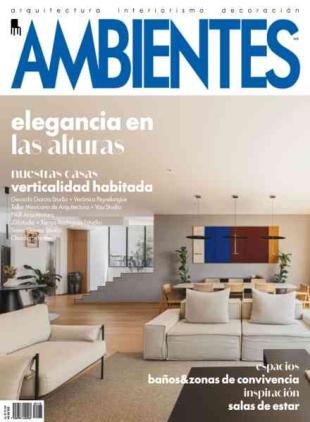
Ambientes Mexico - Septiembre-Octubre 2026Design 23 Oct 2026
-
Kitchen & Bath Design News - October 2026Design 22 Oct 2026
-
la Repubblica Door - Ottobre 2026Design 21 Oct 2026
-
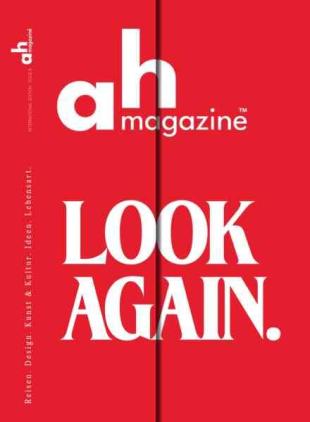
AH Magazine - Ausgabe 8 2026Design 21 Oct 2026
-
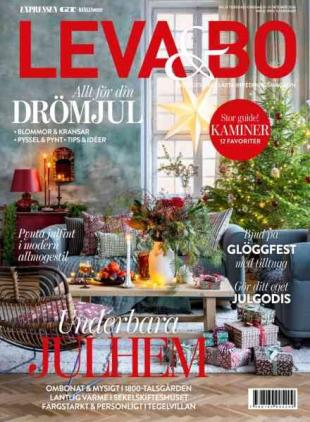
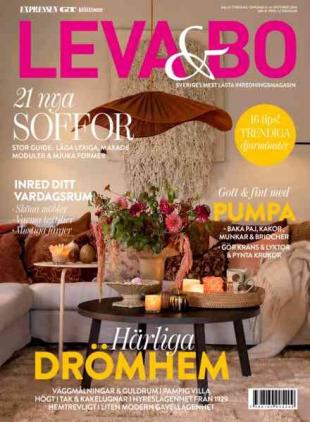
Leva & Bo - 15 Oktober 2026Design 21 Oct 2026
-
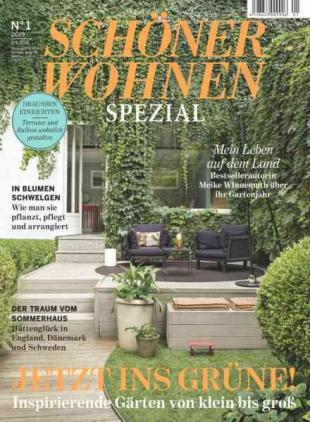
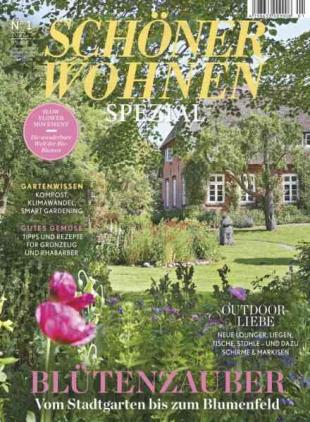
Schoner Wohnen Spezial - Nr 1 2019Design 21 Oct 2026
-
Ambientes Mexico - Octubre-Noviembre 2026Design 21 Oct 2026
-
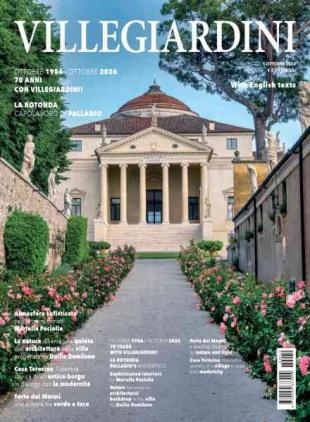
VilleGiardini - Ottobre 2026Design 20 Oct 2026
-
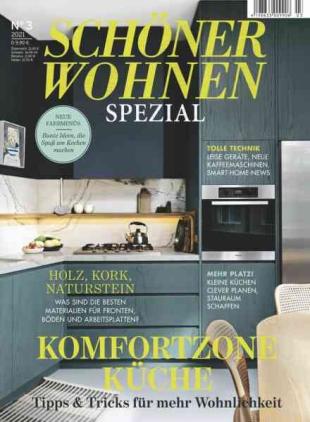
Schoner Wohnen Spezial - Nr 3 2021Design 20 Oct 2026
-
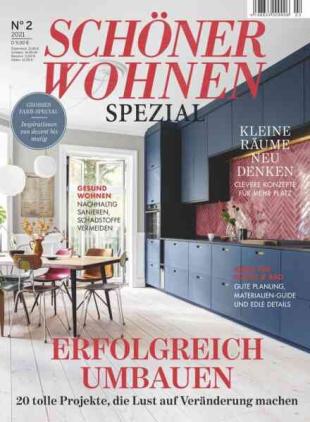
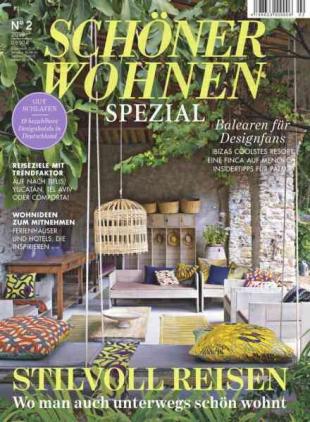
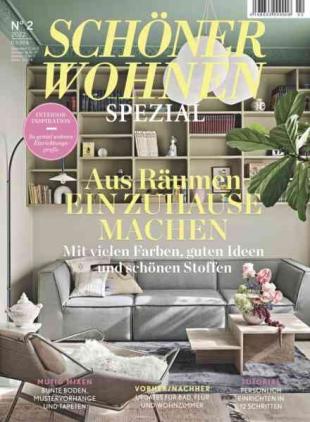
Schoner Wohnen Spezial - Nr 2 2021Design 20 Oct 2026
-
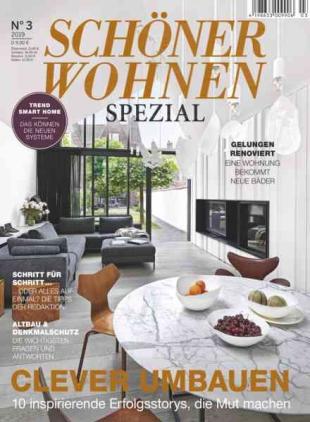
Schoner Wohnen Spezial - Nr 3 2019Design 19 Oct 2026
-
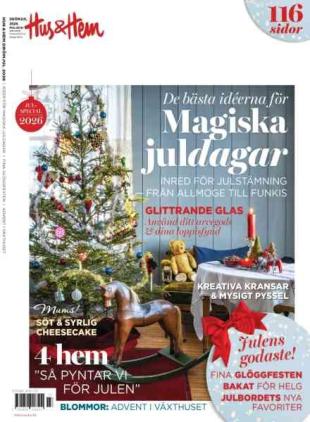
Hus & Hem - 21 Oktober 2026Design 18 Oct 2026
-
Wallpaper - November 2026Design 18 Oct 2026
-
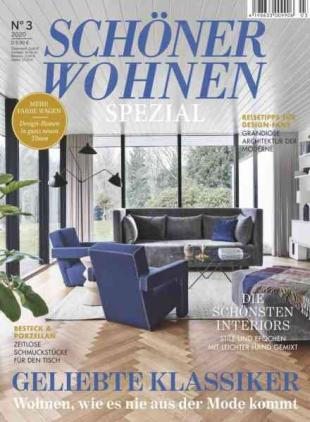
Schoner Wohnen Spezial - Nr 3 2020Design 18 Oct 2026
-
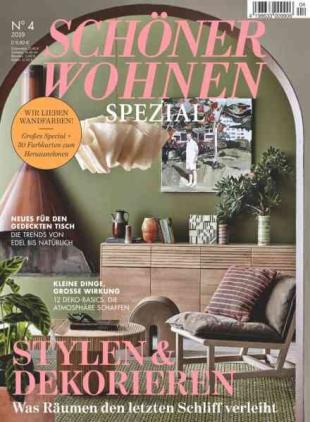
Schoner Wohnen Spezial - Nr 4 2019Design 18 Oct 2026
-
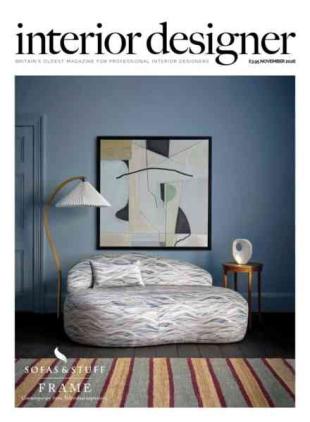
Interior Designer - November 2026Design 17 Oct 2026
-
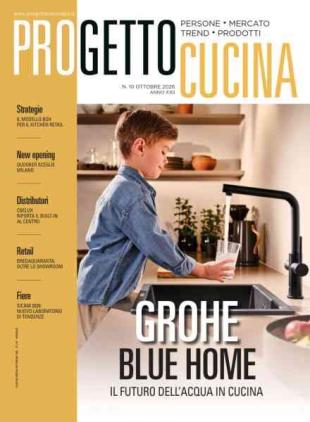
Progetto Cucina - Ottobre 2026Design 17 Oct 2026
-
Schoner Wohnen Spezial - Nr 2 2019Design 17 Oct 2026
-
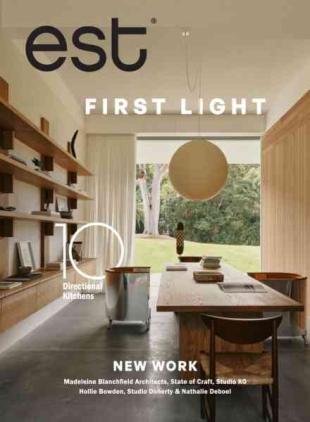
est living magazine - Issue 62 2026Design 16 Oct 2026
-
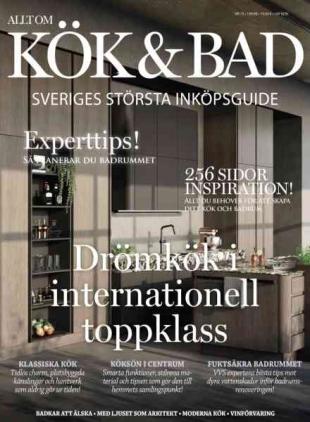
Bad & Kok Guiden - Oktober 2026Design 16 Oct 2026
-
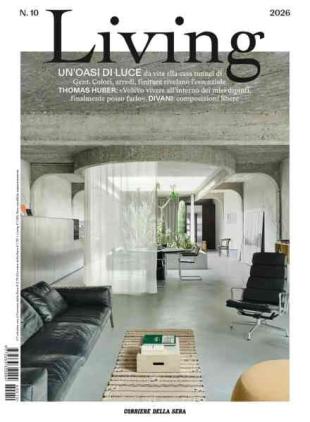
Corriere della Sera Living - Ottobre 2026Design 16 Oct 2026
-
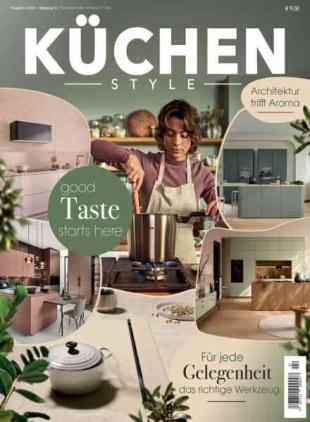
Kuchen Style - Oktober 2026Design 15 Oct 2026
-
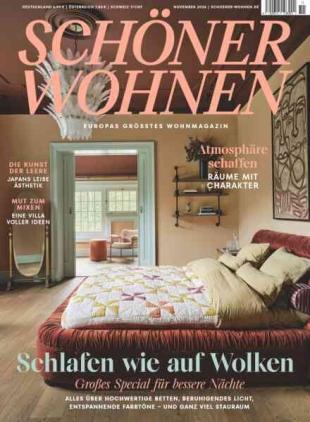
SchOner Wohnen - November 2026Design 15 Oct 2026
-
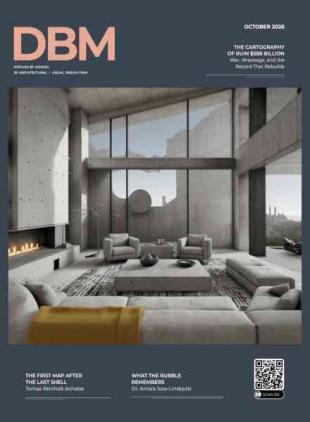
DBM 3D Transformative Digest - October 2026Design 15 Oct 2026
-
Hus & Hem - Oktober 2026Design 14 Oct 2026
-
Leva & Bo - 8 Oktober 2026Design 14 Oct 2026
-
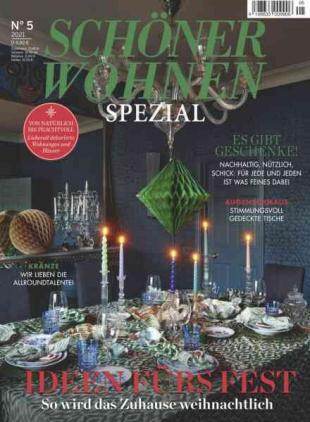
Schoner Wohnen Spezial - Nr 5 2021Design 14 Oct 2026
-
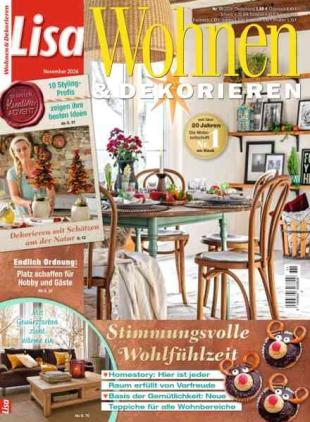
Lisa Wohnen & Dekorieren - November 2026Design 14 Oct 2026
-
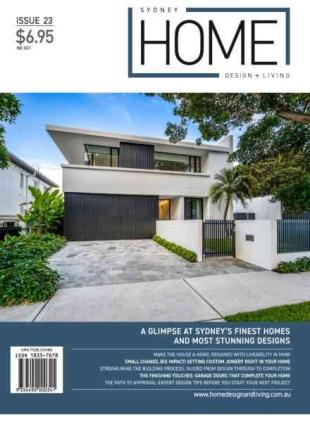
Sydney Home Design + Living - Issue 23 2026Design 14 Oct 2026
-
Scandinavian Living Special - Oktober 2026Design 14 Oct 2026
-
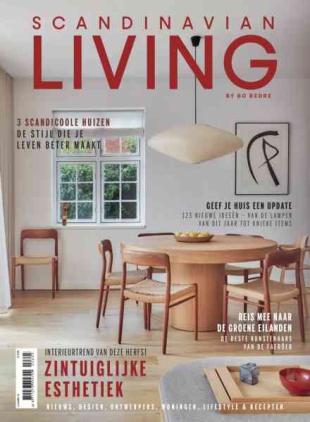
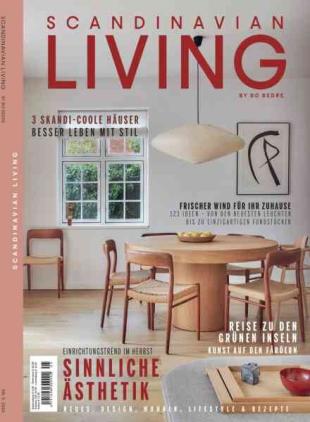
Scandinavian Living - Oktober 2026Design 13 Oct 2026
-
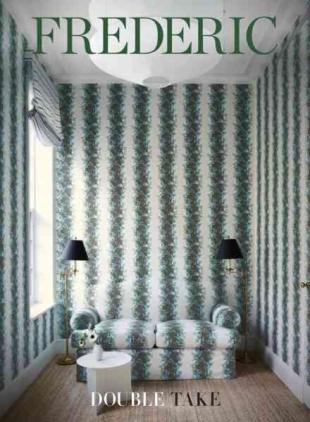
Frederic Magazine - October 2026Design 13 Oct 2026
-
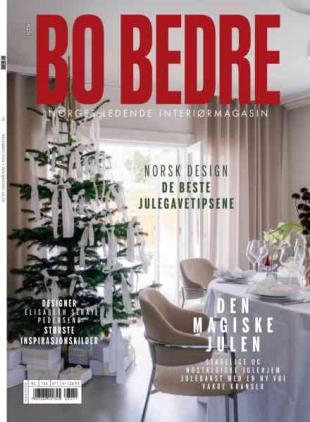 Bo Bedre - Oktober 2026Design 13 Oct 2026
 -
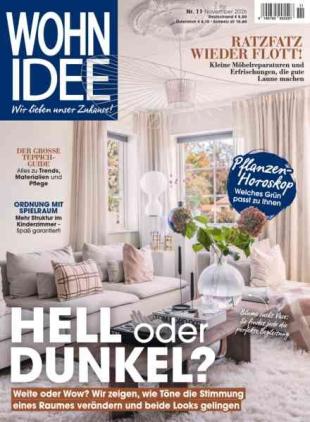
Wohnidee - November 2026Design 13 Oct 2026
-
Schoner Wohnen Spezial - Nr 1 2020Design 13 Oct 2026
-
Schoner Wohnen Spezial - Nr 2 2022Design 13 Oct 2026
-
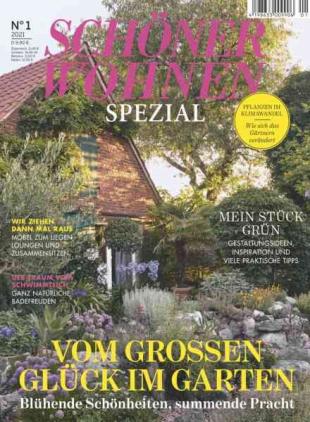
Schoner Wohnen Spezial - Nr 1 2021Design 13 Oct 2026
-
Schoner Wohnen Spezial - Nr 1 2022Design 12 Oct 2026
-
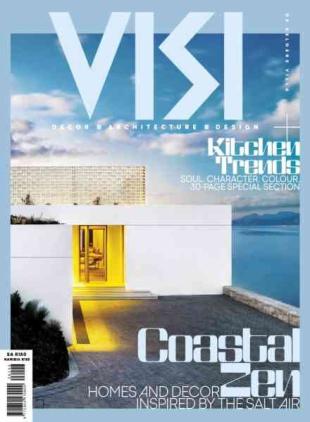
Visi - Issue 146 2026Design 12 Oct 2026
-
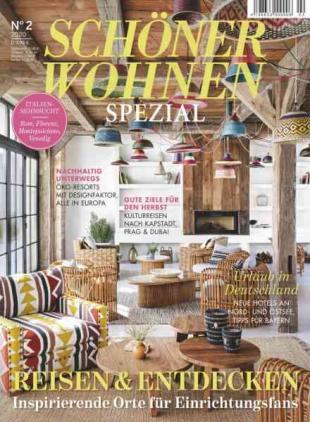
Schoner Wohnen Spezial - Nr 2 2020Design 12 Oct 2026
-
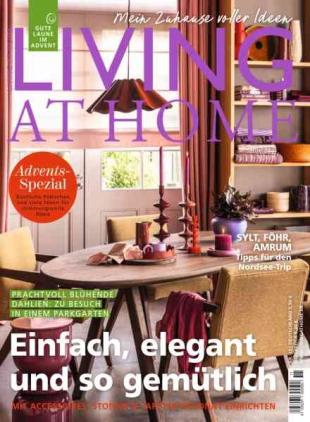
Living at Home - November 2026Design 12 Oct 2026
-
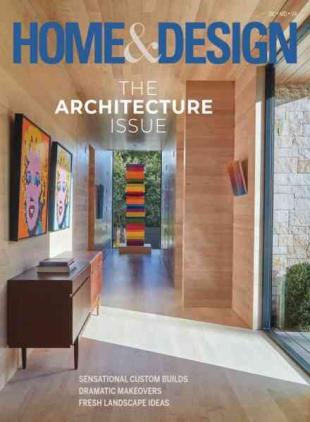
Home&Design - September-October 2026Design 11 Oct 2026
-
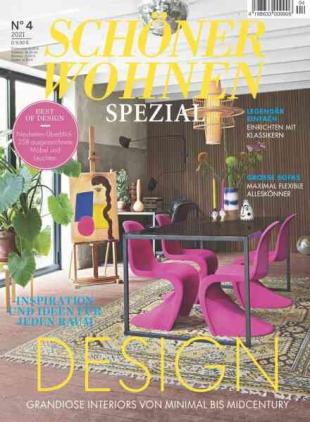
Schoner Wohnen Spezial - Nr 4 2021Design 11 Oct 2026
-
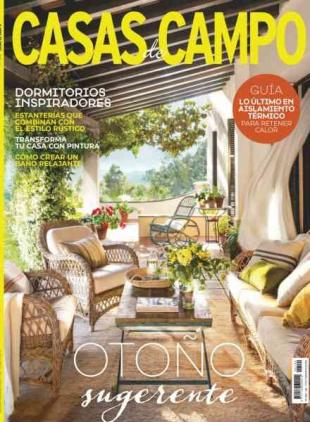
Casas de Campo - Octubre 2026Design 11 Oct 2026
-
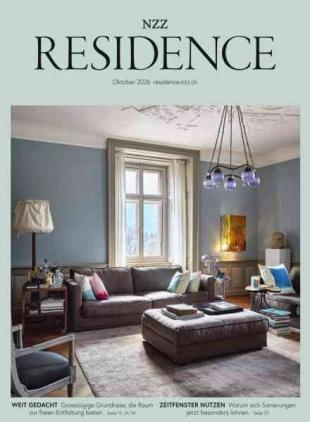
NZZ Residence - Oktober 2026Design 10 Oct 2026
-
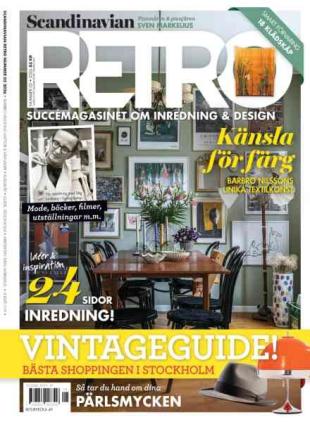
Scandinavian Retro - Oktober 2026Design 10 Oct 2026
-
Design Solutions - Fall 2026Design 7 Oct 2026
-
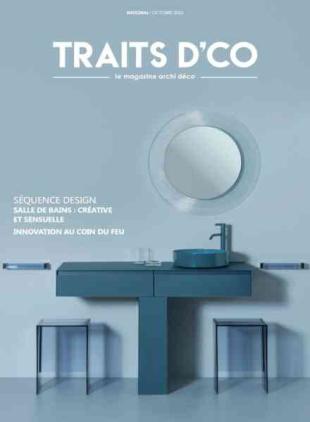
Traits D'co Magazine - Octobre 2026Design 7 Oct 2026
-
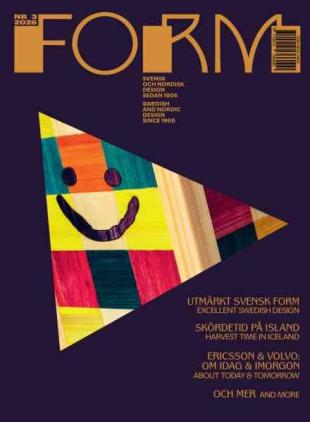
Form - 30 September 2026Design 7 Oct 2026
-
Victoria - November-December 2026Design 6 Oct 2026
-
Rundum - September 2026Design 5 Oct 2026
-
Stilvoll Wohnen - Oktober-November 2026Design 4 Oct 2026
-
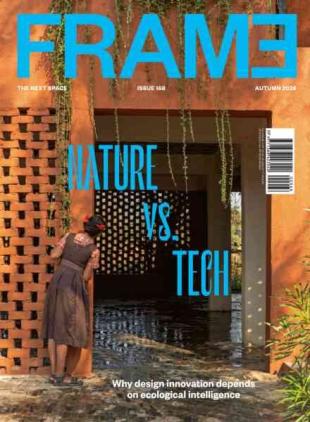
Frame - Autumn 2026Design 4 Oct 2026
-
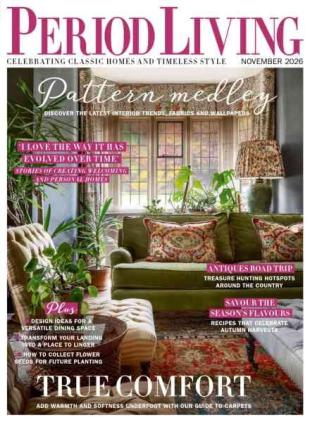
Period Living - November 2026Design 4 Oct 2026