Beyond Every Category — The Other Collection on WebMagz
The best libraries have always had a shelf that defies easy labelling — the place where the books that don't fit neatly anywhere else find a home alongside other equally uncategorizable volumes. On that shelf you discover things you never would have found by browsing the organized sections: the niche publication that serves a tiny but intensely passionate community, the interdisciplinary journal that refuses to respect the boundaries between established subjects, the beautifully produced magazine about something so specific that it has no natural category but so rich in content that it deserves to exist. The Other category on WebMagz is that shelf. It is home to the publications that fall outside the forty-odd categories that organize the rest of the library — the surprising, the specialized, the singular, and the simply uncategorizable. If you find yourself drawn to the unusual and the unexpected, this is the category that was made for you.
Expect the Unexpected — What the Other Collection Contains
The Other category on WebMagz is, by definition, impossible to fully describe in advance — its contents shift and expand as the collection grows, reflecting the endless diversity of human interests and the willingness of editors and publishers to serve communities that larger media operations overlook. What you will find here is a genuine miscellany: publications covering subjects too specialized for the mainstream categories, interdisciplinary titles that cross confidently between established subject areas, regional and local publications with deep roots in specific communities, and the kind of beautifully produced independent magazines — often called zines or indie mags — that exist purely because their makers had something they needed to say and an audience, however small, that needed to hear it.
Academic and scholarly publications covering subjects without a dedicated category on WebMagz find a home here. Regional magazines covering specific geographic areas, cities, or cultural communities bring a local depth and specificity that national publications can never fully replicate. Cultural and literary magazines that blend fiction, essays, photography, and visual art in formats that resist genre classification sit here too. Trade and professional publications serving very specific industry niches — publications for funeral directors, specialist engineers, niche agricultural communities — bring the same commitment and expertise to their readers that the major hobby and professional categories bring to theirs, just for audiences too small to generate their own dedicated category.
What unites the Other collection is quality — the sense that each publication, however specialized its subject matter, has been made with genuine commitment by people who care about their readers. That care is recognizable regardless of subject matter, and it is the consistent thread running through a category that is deliberately impossible to predict.
Why the Uncategorizable Matters
There is a strong case that the most interesting reading is often the reading that comes from outside your established interests — the publication you pick up not because you knew you wanted it but because something about it caught your attention and refused to let go. The Other category is the part of the WebMagz library most likely to produce that experience, because it contains publications you genuinely could not have searched for — you didn't know they existed, you had no existing interest in their subject matter, and yet something about them speaks to a curiosity you didn't know you had.
This is one of the great gifts of the physical and the browsable — the serendipitous encounter with something unexpected that changes what you think you're interested in. Online content systems optimized for relevance and personalization systematically suppress this experience by design: they show you what you've already indicated you want and little else. A category deliberately designed to contain what doesn't fit everywhere else is, in this sense, a small act of resistance against the algorithmic reduction of curiosity to preference.
Independent and niche publications also deserve recognition for the cultural function they serve — keeping alive the conversations, traditions, and communities that mainstream media cannot sustain. The small magazine about a specific regional craft tradition, the academic journal covering an interdisciplinary subject that no established department fully owns, the independently produced title serving a tiny but passionate community of enthusiasts — these publications matter beyond their circulation figures, and their presence in the WebMagz library reflects a genuine commitment to the full diversity of what people read and care about.
The Curious, the Specialist, and the Serendipitous — Who Explores This Category
The Other category attracts a specific kind of reader: the genuinely curious, the self-directed, and the willing to be surprised. Readers who have worked through the established categories and want to go further — who suspect that the most interesting reading might lie outside the obvious places — find the Other collection a reliable source of discovery. Academics and researchers who work at the boundaries of established disciplines often find the interdisciplinary and specialist publications in this category directly relevant to their work in ways that nothing in the mainstream categories addresses.
Independent magazine enthusiasts — the growing community of readers who seek out beautifully produced small-circulation publications as alternatives to the homogenized mainstream — will find the Other category particularly rewarding, as it is exactly where the independent publishing scene is most likely to be represented. Professionals in highly specialized fields find trade and industry publications covering their specific sector here, serving needs that no general professional category can address. And the category's most valuable readers may be those who simply browse with genuine openness — willing to be interested in things they have no prior relationship with and trusting that quality writing about any subject has value.
Discovering the Other Collection on WebMagz
Every title in the Other category is available as a PDF download on WebMagz — the same straightforward, direct access that applies across the entire library. There are no special requirements, no barriers, and no way of knowing exactly what you'll find until you look. Browse the category with genuine openness, download whatever catches your attention, and allow yourself to be surprised. The Other collection is updated continuously as new titles are added that don't fit neatly anywhere else — which means it is, by definition, always growing in unexpected directions. That is precisely the point.
Frequently Asked Questions About the Other Category
- What kinds of publications typically end up in the Other category? The Other category collects publications that don't fit cleanly into WebMagz's primary subject categories — including highly specialized trade and professional titles, interdisciplinary academic journals, regional and community publications, independent and small-press magazines, and genuinely niche hobby and interest publications covering subjects too specific for a dedicated category. The range is genuinely wide and consistently surprising.
- Is the Other category updated as frequently as the main categories? Yes — new titles and issues are added to the Other category on an ongoing basis, just as with all other WebMagz categories. Because its contents are by nature eclectic, the updates can be particularly surprising — the arrival of a new publication in the Other category is often a discovery in itself.
- Can I suggest publications for the Other category that aren't currently available? WebMagz welcomes engagement from readers about the publications they value and would like to see in the library. If there's a title you follow that isn't currently available, exploring the broader WebMagz collection is the best starting point — it may already be present in one of the established categories.
- Are independent and small-press magazines included alongside more established publications? Yes — the Other category is one of the places in the WebMagz library where independent, small-circulation, and self-published magazines are most likely to appear, reflecting the genuine value that the best independent publishing represents regardless of the size of the operation behind it.
-
BuchMarkt - Februar 2022Other Yesterday
-
Focus Echte Verbrechen - Juli 2020Other 23 Oct 2026
-
BuchMarkt - Juni 2021Other 23 Oct 2026
-
Previsoes da Semana - 19 Outubro 2026Other 23 Oct 2026
-
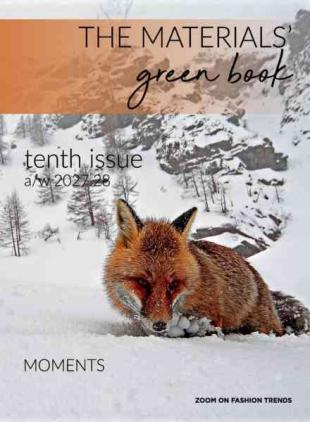
The Materials' Green Book - Issue 10 2026Other 23 Oct 2026
-
BuchMarkt - Dezember 2021Other 23 Oct 2026
-
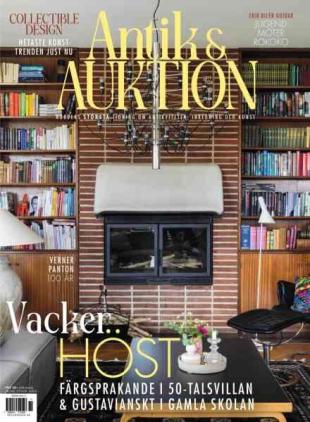
Antik & Auktion - 14 Oktober 2026Other 23 Oct 2026
-
BuchMarkt - September 2021Other 23 Oct 2026
-
Literary Review of Canada - November 1 2026Other 23 Oct 2026
-
The Oldie - November 2026Other 23 Oct 2026
-
Relation Client Magazine - Septembre 2026Other 22 Oct 2026
-
Diverto - 18 Octobre 2026Other 22 Oct 2026
-
Lottomio del Giovedi - 20 Ottobre 2026Other 22 Oct 2026
-
P.M. Logik Trainer - Oktober 2026Other 22 Oct 2026
-
VARAgids - 20 Oktober 2026Other 21 Oct 2026
-
Horoscopo do Dia - 16 Outubro 2026Other 21 Oct 2026
-
Arise Africa Magazine - Issue 92 2026Other 21 Oct 2026
-
Horoscopo do Dia - 11 Outubro 2026Other 21 Oct 2026
-
nd.Commune - Oktober 2026Other 21 Oct 2026
-
BuchMarkt - Juli 2021Other 21 Oct 2026
-
Suddeutsche Zeitung Magazin - 16 Oktober 2026Other 21 Oct 2026
-
Brutus - November 2026Other 21 Oct 2026
-
OstContact - Ausgabe 3 2021Other 21 Oct 2026
-
Piadas para todos - 14 Outubro 2026Other 21 Oct 2026
-
TestBild - Nr 1 2021Other 21 Oct 2026
-
BuchMarkt - Januar 2022Other 21 Oct 2026
-
Les Veillees des chaumieres - 14 Octobre 2026Other 21 Oct 2026
-
Farmer's Weekly - 23 October 2026Other 21 Oct 2026
-
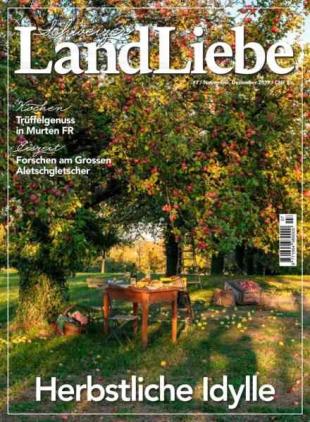
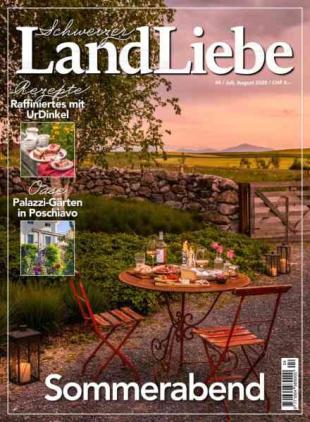
Schweizer Landliebe - Mai-Juni 2020Other 20 Oct 2026
-
Grosse Schicksale - Oktober 2026Other 20 Oct 2026
-
Schweizer Landliebe - November-Dezember 2019Other 20 Oct 2026
-
Mi Semanal - 9 Octubre 2026Other 20 Oct 2026
-
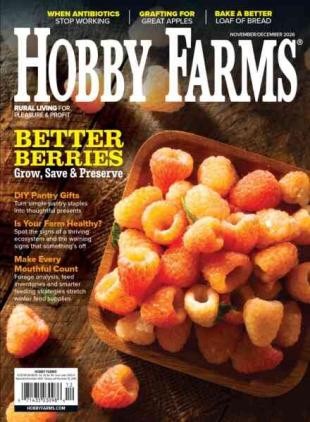
Hobby Farms - November-December 2026Other 20 Oct 2026
-
Dadavani English - October 2026Other 20 Oct 2026
-
Mermoz - ete 2026Other 20 Oct 2026
-
TestBild - Nr 1 2022Other 20 Oct 2026
-
La Semaine - 15 Octobre 2026Other 20 Oct 2026
-
Focus Echte Verbrechen - Juni 2020Other 20 Oct 2026
-
OstContact - Ausgabe 2 2021Other 19 Oct 2026
-
In Jerusalem - October 16 2026Other 19 Oct 2026
-
OstContact - Ausgabe 6 2021Other 19 Oct 2026
-
Thyanna - Outubro 2026Other 19 Oct 2026
-
Mornings with Jesus - November-December 2026Other 19 Oct 2026
-
BuchMarkt - April 2022Other 19 Oct 2026
-
BuchMarkt - Marz 2022Other 19 Oct 2026
-
Previsoes da Semana - 12 Outubro 2026Other 19 Oct 2026
-
Schweizer Landliebe - Juli-August 2020Other 19 Oct 2026
-
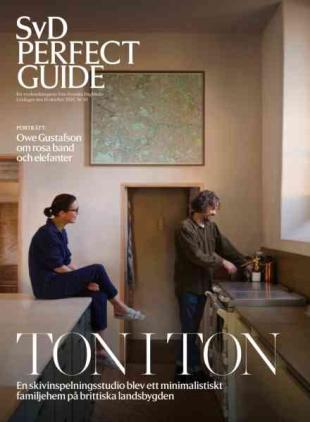
SvD Perfect Guide - 10 Oktober 2026Other 18 Oct 2026
-
BuchMarkt - November 2021Other 18 Oct 2026
-
OstContact - Ausgabe 4 2021Other 18 Oct 2026
-
TrOdler - November 2026Other 18 Oct 2026
-
L'Actu immobiliere & Vous - Septembre 2026Other 18 Oct 2026
-
BuchMarkt - Mai 2022Other 18 Oct 2026
-
GoodsPress - 16 October 2026Other 18 Oct 2026
-
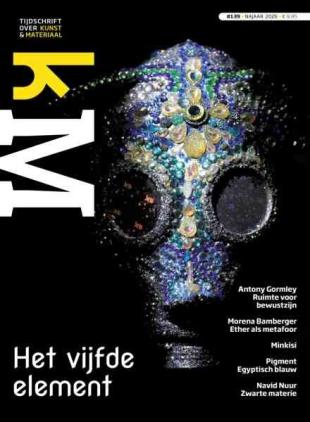
kM Magazine - Oktober 2026Other 18 Oct 2026
-
TestBild - Top Shops 2022Other 17 Oct 2026
-
Credere - 18 Ottobre 2026Other 17 Oct 2026
-
Horoscopo do Dia - 7 Outubro 2026Other 17 Oct 2026
-
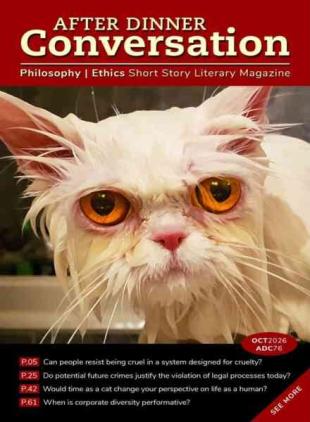
After Dinner Conversation - October 2026Other 17 Oct 2026
-
First Things - November 2026Other 17 Oct 2026
-
ScoopVizion - July 2026Other 17 Oct 2026
-
The Walrus Special Edition - True Crime 2026Other 17 Oct 2026
-
Mijn Geheim Special - Oktober 2026Other 17 Oct 2026