Read the World More Clearly — Economics & Politics Magazines on WebMagz
Power and money. At some level, almost everything that happens in the world comes back to these two forces — who has them, who wants them, how they're accumulated and distributed, and what happens when their balance shifts. Economics and politics are the disciplines that try to make systematic sense of these dynamics, and the magazines dedicated to them are among the most important publications produced anywhere. The Economics & Politics category on WebMagz brings together a carefully selected collection of the world's finest journals and magazines covering political theory, macroeconomics, public policy, international relations, electoral politics, fiscal systems, and the ideas that shape how societies organize themselves. If you want to understand not just what is happening in the world but why — this is where serious reading begins.
Unpacking the Collection — From Policy to Power
The Economics & Politics category on WebMagz covers a wide and intellectually demanding landscape. Political magazines anchor the collection — publications that cover electoral politics, party dynamics, legislative processes, and the ideological contests that determine the direction of governments and societies. These range from broad-spectrum titles that aim for analytical balance across the political spectrum to publications with a defined editorial perspective that provides a coherent, argued worldview rather than a studied neutrality.
International relations and foreign policy publications take a global view — examining the relationships between states, the dynamics of multilateral institutions, the conduct of diplomacy, and the forces driving conflict and cooperation around the world. Geopolitical analysis titles go deeper still, exploring the structural factors — geography, energy, demography, technology — that constrain and shape the choices available to political actors.
Economics magazines cover the full discipline from accessible introductions to cutting-edge research — monetary policy and central banking, fiscal theory and taxation, labor markets and inequality, trade policy and globalization, development economics and the persistent challenge of poverty. Public policy publications bridge the academic and practical worlds, translating economic and political research into actionable frameworks for government and public administration. And political theory and philosophy titles engage with the foundational questions — justice, liberty, equality, authority, and legitimacy — that underlie all specific policy debates.
Why Deep Political and Economic Reading Matters Now
We live in an era of abundant political and economic information and genuine scarcity of political and economic understanding. The news cycle delivers events at a pace that makes context nearly impossible to establish — each new development displaces the last before its significance can be properly assessed. Social media amplifies the most emotional and tribal responses to political events while systematically suppressing the nuanced, qualified analysis that genuine understanding requires. The result is a public that knows a great deal about what politicians said today and very little about why any of it matters in the longer arc of history and policy.
Economics and politics magazines are a partial remedy for this condition. A well-reported feature on the structural causes of inflation, the political economy of healthcare systems, or the historical roots of a particular regional conflict provides the kind of durable, transferable understanding that no amount of news consumption can generate. Reading seriously in this area makes you better at evaluating claims, identifying motivated reasoning, understanding trade-offs, and thinking clearly about collective problems — skills that are valuable in professional life and essential to democratic citizenship.
For professionals whose work intersects with policy and economics — civil servants, economists, political consultants, diplomats, journalists, NGO workers, academics, and the business leaders whose decisions are shaped by regulatory and macroeconomic environments — quality publications in this category are not optional reading. They are the basic tools of professional comprehension.
Analysts, Citizens, and Decision-Makers — The Readership
The Economics & Politics category draws a readership defined more by intellectual seriousness than by professional category. Academic economists, political scientists, and social researchers are natural subscribers to the analytical publications, following the scholarly journals and research-adjacent magazines that keep them current with developments in their fields. Policy professionals at every level of government — local, national, and international — follow the publications that translate research into practical frameworks for the challenges they face.
Business leaders and senior executives read political and economic publications to understand the regulatory, fiscal, and geopolitical environment in which their organizations operate — decisions about investment, market entry, hiring, and strategy are all shaped by political and economic conditions that only make sense with proper analytical context. Journalists covering politics and economics follow these publications to sharpen their own understanding and to identify the stories and frameworks that deserve more attention in mainstream coverage.
Students of politics, economics, international relations, public policy, and law find the category invaluable as a supplement to formal study — connecting theoretical frameworks to current real-world cases in ways that textbooks, by their nature, cannot. And a broad, engaged general readership — people who want to understand the world they live in and participate thoughtfully in democratic life — find these publications some of the most rewarding and practically useful reading available.
Titles That Shape the Global Conversation
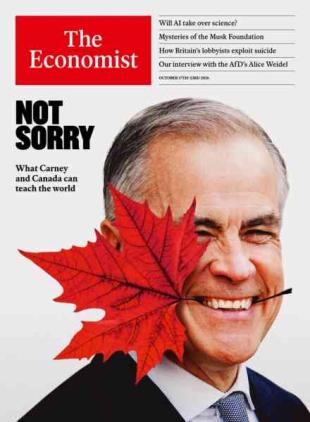
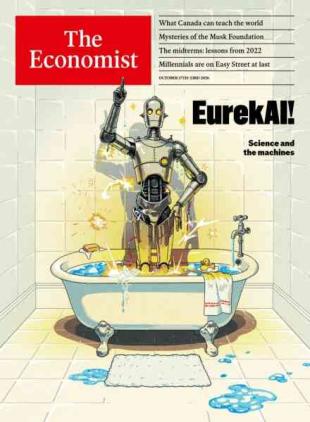
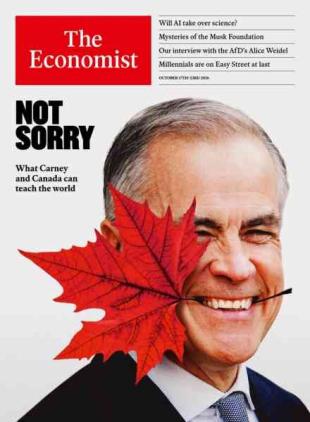
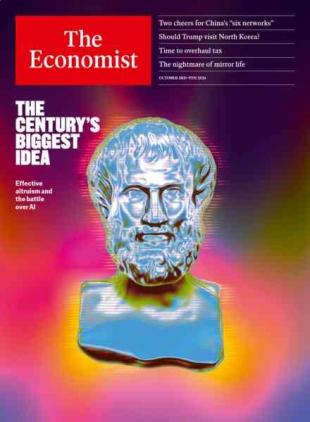
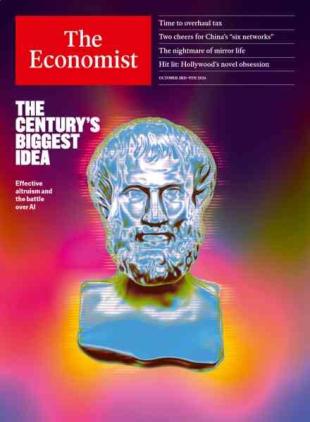
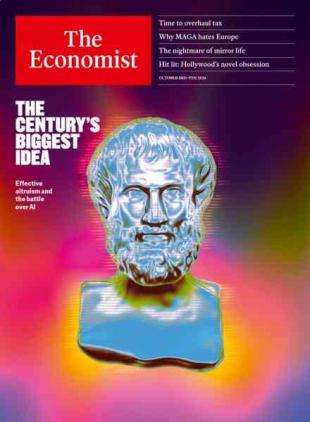
The Economics & Politics collection on WebMagz features publications that are genuinely influential in the worlds they cover. The Economist, already mentioned in the Business category, earns equal prominence here — its political and economic analysis is among the most widely cited and respected in the world, and its willingness to take clear, argued positions distinguishes it from publications that mistake balance for the absence of judgment.
Foreign Affairs, published by the Council on Foreign Relations since 1922, is the most prestigious journal of international relations and foreign policy in the English-speaking world — its contributors include heads of state, senior diplomats, and the leading academics in the field, and its essays regularly shape the foreign policy debate in Washington and beyond. Foreign Policy magazine covers similar terrain with a somewhat more journalistic, accessible approach.
The New Statesman has been the defining publication of the British centre-left since 1913 — its political commentary, cultural criticism, and economic analysis represent one of the great traditions of engaged political journalism. National Review occupies a comparable position on the American centre-right, providing conservative political and economic thought with intellectual rigor and historical depth. The New York Review of Books, while broader than politics alone, publishes some of the most serious long-form political and economic essay writing available in any general readership publication.
Finance & Development, published by the International Monetary Fund, brings authoritative economic analysis to questions of global development, monetary policy, and international financial stability. The American Prospect and Jacobin represent different strands of progressive political economic thought, each with a committed readership and a distinctive analytical voice.
Reading Economics & Politics Magazines on WebMagz
The full Economics & Politics collection is available for download on WebMagz in PDF format — preserving the editorial design and reading experience of publications that, in many cases, have been shaping political and economic debate for over a century. Browse the category, select titles and issues that match your interests and analytical needs, and download directly. New issues are added regularly, keeping the collection current with the ongoing global political and economic conversation. No barriers, no subscriptions — just direct access to serious reading.
Frequently Asked Questions About Economics & Politics Magazines
- Are the publications in this category politically balanced? The collection deliberately includes publications from across the political and ideological spectrum — left, right, and centrist; nationalist and internationalist; orthodox and heterodox in economic thinking. Reading across different perspectives is one of the most valuable things this category enables, and the curation reflects that commitment to intellectual breadth.
- Do these magazines cover economic policy as well as political events? Yes — the economics coverage in this category goes well beyond financial news to address the policy debates, theoretical frameworks, and empirical research that shape how governments approach taxation, spending, monetary policy, trade, and regulation. The intersection of economics and political decision-making is a particular strength of several titles in the collection.
- Are there publications specifically focused on international relations and geopolitics? The category includes dedicated foreign policy and international relations publications alongside the broader political and economic titles — covering diplomacy, security, multilateral institutions, regional conflicts, and the structural forces that shape international order.
- Can I find academic journals alongside more general-audience political magazines? The collection spans from accessible general-readership political magazines to more academically oriented publications with rigorous analytical standards. Both serve important purposes — the accessible titles provide breadth and context while the more technical publications provide depth and precision.
Think More Clearly About the World
Economics and politics are too important to leave to the specialists — and too complex to understand without reading seriously. The Economics & Politics category on WebMagz gives you access to the publications that have been making sense of power and money for generations. Start reading, and start seeing the world with sharper, better-informed eyes.
-
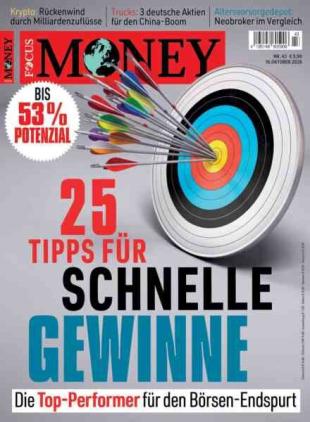
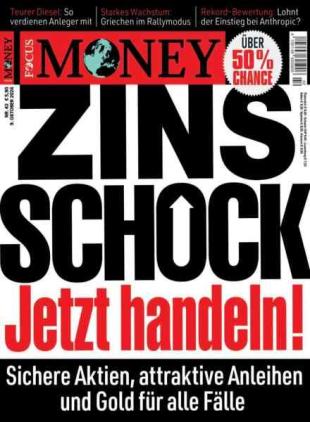
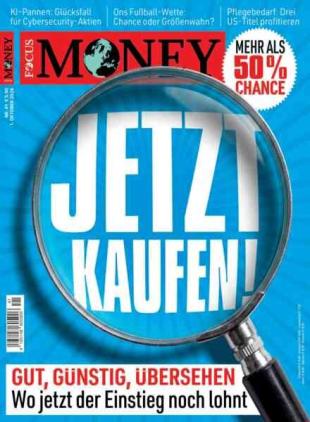
Focus Money - 16 Oktober 2026Economics & Politics 22 Oct 2026
-
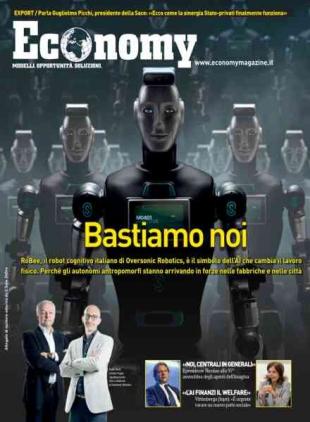
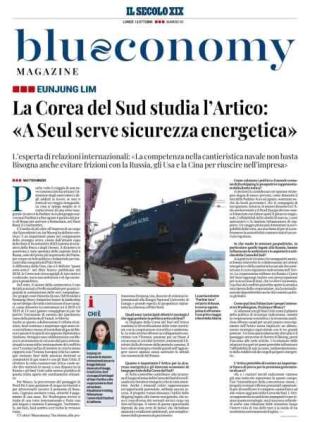
Economy - 19 Ottobre 2026Economics & Politics 22 Oct 2026
-
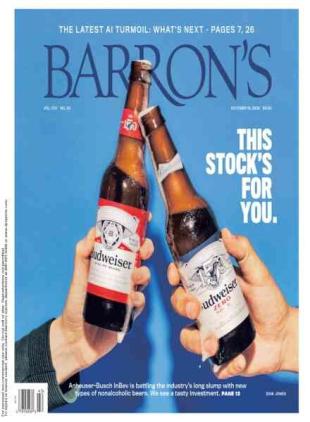
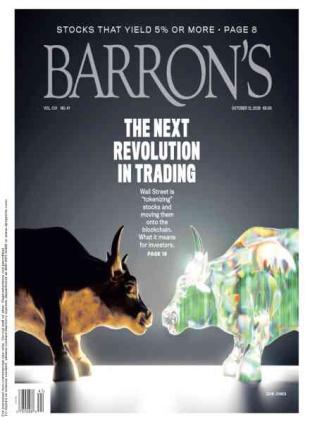
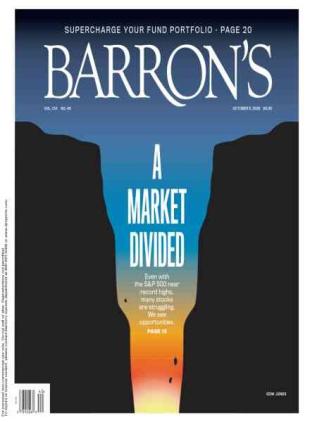
Barron's - October 19 2026Economics & Politics 21 Oct 2026
-
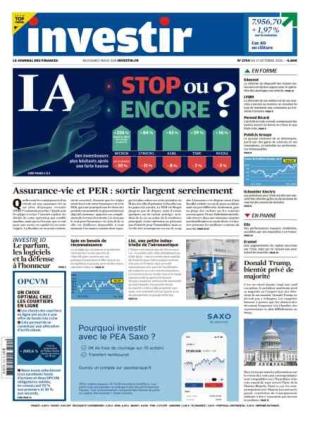
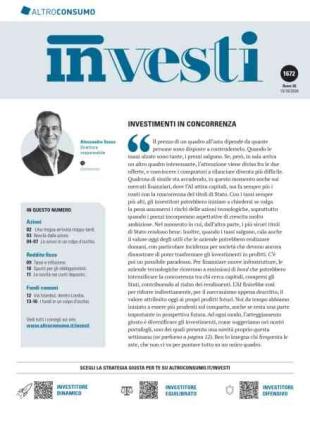
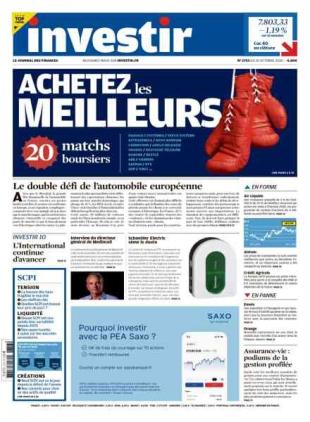
Investir - 17 Octobre 2026Economics & Politics 20 Oct 2026
-
Time USA - October 26 2026Economics & Politics 20 Oct 2026
-
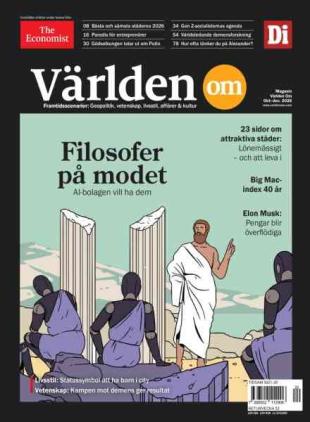
Varlden Om - Oktober 2026Economics & Politics 16 Oct 2026
-
Barron's - October 12 2026Economics & Politics 16 Oct 2026
-
Be a Boss - Septembre 2026Economics & Politics 16 Oct 2026
-
DAF Magazine - Septembre 2026Economics & Politics 16 Oct 2026
-
Focus Money - 9 Oktober 2026Economics & Politics 15 Oct 2026
-
Time USA - October 12 2026Economics & Politics 13 Oct 2026
-
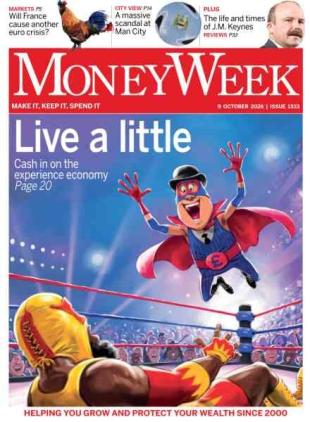
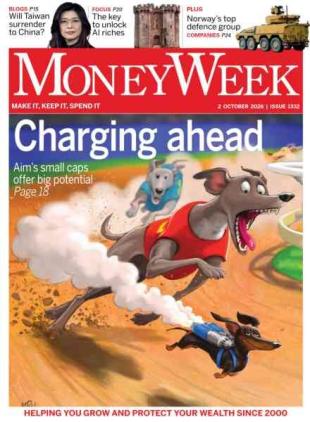
MoneyWeek - 9 October 2026Economics & Politics 11 Oct 2026
-
President - 30 October 2026Economics & Politics 11 Oct 2026
-
Geopolitics - October 2026Economics & Politics 11 Oct 2026
-
Zainet Lab - Ottobre 2026Economics & Politics 11 Oct 2026
-
Investir - 10 Octobre 2026Economics & Politics 10 Oct 2026
-
Barron's - October 5 2026Economics & Politics 8 Oct 2026