The Future Is a Genre — Sci-Fi Magazines on WebMagz
Science fiction is the literature of possibility. It asks what happens when the world changes — when technology reshapes human relationships, when first contact rewrites our understanding of our place in the universe, when the consequences of decisions made today unfold across centuries we will never live to see. At its best, science fiction is not escapism but a form of serious imaginative thinking — a way of exploring ideas too large, too strange, or too politically charged to address through conventional realism. It has predicted technologies, influenced scientists, shaped policy debates, and produced some of the most significant literary and cinematic works of the past hundred years. The Sci-Fi category on WebMagz brings together a rich collection of publications devoted to this extraordinary genre — covering short fiction and novels, film and television, comics and games, fandom culture and critical analysis, and the ongoing conversation between science fiction and the real-world science that both inspires and is inspired by it.
Into the Unknown — What the Sci-Fi Collection Contains
The Sci-Fi category on WebMagz covers science fiction as a literary and cultural phenomenon in all its dimensions. Fiction magazines — the publications that publish original short stories and novellas — are the beating heart of the collection, and they carry a heritage that goes back to the pulp era of the early twentieth century. Science fiction's short fiction tradition is uniquely rich: the short story and novella formats have been the testing ground for ideas, voices, and approaches that later shaped novels, films, and entire subgenres, and the magazines that continue to publish original short fiction are doing essential work for the genre's creative future.
Critical and analytical publications address science fiction as a literary tradition worthy of serious scholarly and journalistic engagement — covering the history of the genre, the careers of its major writers, the ideological and philosophical content of significant works, and the ongoing debates about what science fiction is, what it should do, and how it relates to the broader literary culture that has historically viewed it with condescension. These are publications that take the genre seriously in the way it deserves.
Film and television coverage publications track the enormous and ever-expanding screen dimension of science fiction — the franchise universes, the prestige television productions, the independent films, and the special effects developments that have made science fiction cinema one of the most technically ambitious and commercially significant sectors of the entertainment industry. Fandom and convention culture magazines serve the communities of dedicated enthusiasts who organize around their love of specific properties, authors, and the genre as a whole. And the overlap between science fiction and adjacent genres — fantasy, horror, and speculative fiction more broadly — is reflected in publications that understand these traditions as part of a connected imaginative landscape rather than rigidly separate categories.
Why Science Fiction Deserves Serious Reading
The dismissal of science fiction as mere genre entertainment — popular perhaps, but intellectually lightweight — is one of the great critical failures of the twentieth century, and one that serious readers and critics have been comprehensively dismantling for decades. The genre that produced Ursula K. Le Guin's explorations of gender and anarchism, Philip K. Dick's investigations of identity and reality, Octavia Butler's unflinching examinations of power and race, Samuel R. Delany's formally radical narratives, and Kim Stanley Robinson's scientifically rigorous engagements with climate and ecology is not a minor tradition. It is one of the most intellectually adventurous bodies of literature produced in English.
Science fiction also has a unique relationship with science itself that no other literary tradition can claim. Many of the scientists and engineers who have shaped the modern world — from Carl Sagan to Elon Musk, from figures at NASA to the founders of major technology companies — cite science fiction as a formative influence on their imagination and ambition. The relationship runs the other way too: scientific developments in artificial intelligence, genetic engineering, climate science, and space exploration have consistently enriched the genre with new material and new urgency. Reading science fiction is reading at the intersection of imagination and knowledge, and that intersection is one of the most interesting places in contemporary culture.
Science fiction magazines serve this tradition by providing the critical context, the new fiction, the industry analysis, and the community conversation that keeps the genre vital and connected to its own history. They are, in the fullest sense, essential reading for anyone who cares about where speculative imagination takes us.
Writers, Readers, Critics, and Fans — The Sci-Fi Readership
The Sci-Fi category serves a readership that ranges from the casual viewer of science fiction films to the dedicated genre scholar who has read everything published by the major houses and small presses for the past thirty years. Literary science fiction readers — people who approach the genre as seriously as they approach any other form of literary fiction — follow the critical publications and fiction magazines that serve the tradition at its most ambitious and demanding.
Film and television enthusiasts who love the genre on screen but engage less with written science fiction find the entertainment-focused publications in the category well matched to their interests. Writers working in the genre — from beginners submitting their first short stories to the magazines that publish them to established authors developing their craft — follow the fiction publications with the dual interest of readers and practitioners. Fandom communities built around specific properties, authors, or subgenres follow the publications that cover their particular corner of the genre with appropriate depth and enthusiasm.
Academic researchers and students of science fiction — a field of literary study that has grown significantly in recent decades — follow the scholarly publications within the category alongside the more accessible critical titles. And a broad, engaged general readership of people who simply love science fiction and want to engage with it more deeply than any single medium allows finds in this category a complete ecosystem of reading material that serves every dimension of their enthusiasm.
The Publications That Define the Genre
The Sci-Fi collection on WebMagz features titles with deep roots in the history and present of science fiction publishing. The Magazine of Fantasy & Science Fiction, published since 1949, is one of the most storied fiction magazines in the genre — its list of published authors reads like a who's who of science fiction and fantasy literature, and its tradition of combining literary quality with genuine speculative ambition has made it essential reading for over seven decades. Asimov's Science Fiction, founded in 1977 with the involvement of Isaac Asimov himself, continues to publish original short fiction of the highest quality and has been the launching pad for numerous major careers in the genre.
Analog Science Fiction and Fact is the longest continuously published science fiction magazine in the world — tracing its lineage to 1930, it has always maintained a particular commitment to scientific plausibility and the exploration of near-future technological development. Locus magazine serves the science fiction and fantasy publishing industry as its essential trade publication — covering new releases, author interviews, awards, industry news, and the broader landscape of speculative fiction with a depth and breadth that makes it the definitive reference for the genre's professional community.
SFX magazine serves the film, television, and popular culture dimension of science fiction enthusiasm in the UK with energy, depth, and genuine knowledge of the genre — its coverage of franchise properties, new releases, and the special effects and production craft behind screen science fiction is consistently excellent. Interzone, the UK's leading science fiction and fantasy magazine, publishes short fiction with a particularly strong commitment to literary quality and international voices, making it an essential publication for readers interested in the breadth and diversity of contemporary short speculative fiction.
Exploring the Sci-Fi Collection on WebMagz
Every title in the Sci-Fi category is available as a PDF download on WebMagz — preserving the cover art, interior illustration, and design quality that have always been central to the science fiction magazine experience. Browse the collection to find publications matched to your specific interests within the genre, and download directly. New issues are added regularly, keeping the fiction, criticism, and cultural coverage current in a genre that continues to produce some of the most vital and prescient imaginative writing being published today. The future is always arriving — and these magazines are there to document it.
Frequently Asked Questions About Sci-Fi Magazines
- Do sci-fi magazines publish original fiction, or mainly cover science fiction as a cultural topic? Both types are well represented in the collection. The great fiction magazines publish original short stories and novellas by established and emerging writers — these are the publications where new science fiction is actually created. Critical and entertainment publications cover science fiction as a literary, cinematic, and cultural phenomenon rather than producing new fiction themselves. Reading across both types gives access to the full richness of the genre.
- Are fantasy and horror covered alongside science fiction in this category? Many science fiction publications extend their coverage to fantasy and horror as adjacent speculative traditions, reflecting the reality that these genres share readerships, publishing infrastructure, and creative conversations that make rigid separation artificial. The Sci-Fi category on WebMagz therefore includes publications that cover the broader speculative fiction landscape.
- Do these magazines cover classic science fiction as well as contemporary work? Yes — the category includes publications that address the history and heritage of the genre alongside those covering contemporary fiction and media. Science fiction has an unusually rich and well-documented history that continues to be actively read and debated, and that historical dimension is reflected in the critical and retrospective coverage of several titles in the collection.
- Are there publications covering science fiction film and television specifically? Film and television coverage is a significant strand within the Sci-Fi category — with publications dedicated to screen science fiction covering franchises, new releases, production design, special effects, and the adaptation of written science fiction to screen formats alongside the purely literary publications.
- Can I find magazines covering science fiction conventions and fandom culture? Fandom culture — conventions, fan communities, cosplay, collectibles, and the social dimensions of science fiction enthusiasm — is covered in several publications within the category, reflecting the understanding that science fiction is as much a community as a body of texts.
- Is science fiction criticism and literary analysis represented alongside popular coverage? Yes — the Sci-Fi collection includes critically serious publications that engage with science fiction as a literary tradition of genuine significance, providing the analytical frameworks and historical context that the genre deserves alongside the more entertainment-focused titles that serve the mainstream fan readership.
-
Sane - Automne 2026Sci-Fi 16 Oct 2026
-
Mundo Misterioso - 30 Septiembre 2026Sci-Fi 15 Oct 2026
-
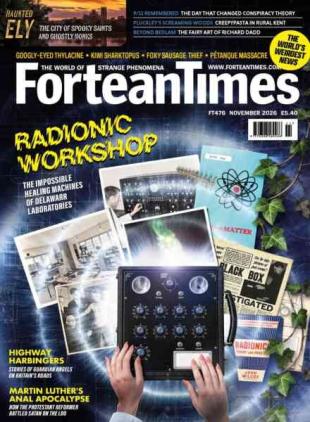
Fortean Times - November 2026Sci-Fi 29 Sep 2026
-
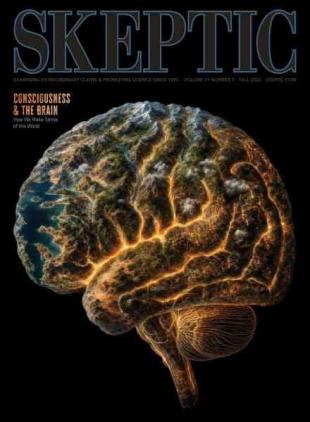
Skeptic - Fall 2026Sci-Fi 15 Sep 2026
-
Fortean Times - October 2026Sci-Fi 8 Sep 2026
-
Mas Alla - Septiembre 2026Sci-Fi 6 Sep 2026
-
Haunted Magazine - Issue 50 Part 2 2026Sci-Fi 5 Sep 2026
-
Mysterier - 19 Augusti 2026Sci-Fi 23 Aug 2026
-
Urban Legends Brought To Life! - 2026Sci-Fi 9 Aug 2026
-
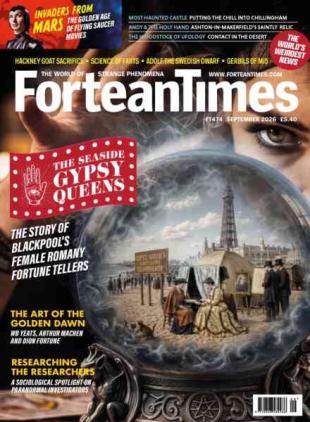
Fortean Times - September 2026Sci-Fi 7 Aug 2026
-
Historiska Brott & Mysterier - Juli 2026Sci-Fi 19 Jul 2026
-
Mundo Misterioso - 30 Junio 2026Sci-Fi 18 Jul 2026
-
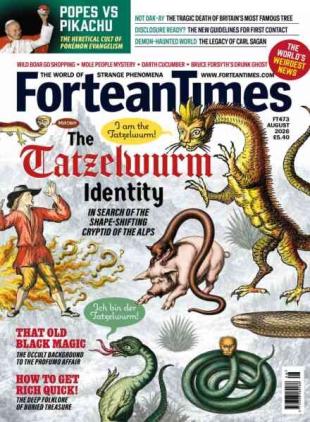
Fortean Times - August 2026Sci-Fi 14 Jul 2026
-
Fortean Times Presents - The UFO Files 2024Sci-Fi 12 Jul 2026
-
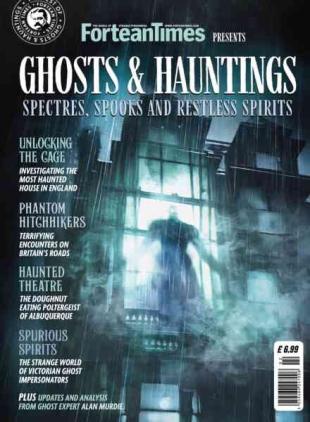
Fortean Times Presents - Poltergeist 2024Sci-Fi 10 Jul 2026
-
Nexus Magazin - Juni-Juli 2026Sci-Fi 25 Jun 2026
-
Mysterier - 17 Juni 2026Sci-Fi 24 Jun 2026
-
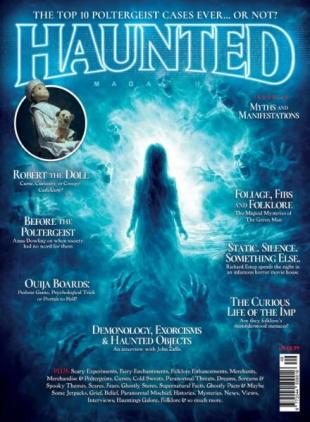
Haunted Magazine - Issue 50 Part 1 2026Sci-Fi 14 Jun 2026
-
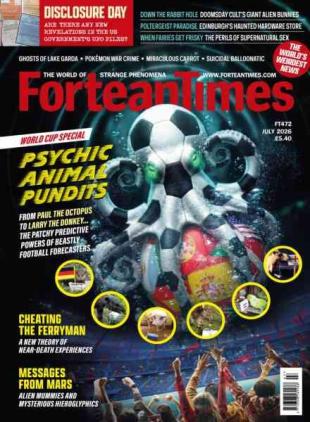
Fortean Times - July 2026Sci-Fi 13 Jun 2026
-
Mas Alla - Junio 2026Sci-Fi 12 Jun 2026
-
Skeptiker - Nr 1 2026Sci-Fi 1 Jun 2026
-
Sane - Printemps 2026Sci-Fi 28 May 2026
-
Fortean Times - June 2026Sci-Fi 25 May 2026
-
Historiska Brott & Mysterier - Maj 2026Sci-Fi 21 May 2026
-
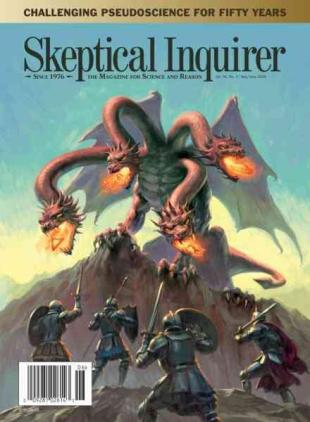
Skeptical Inquirer - May-June 2026Sci-Fi 2 May 2026
-
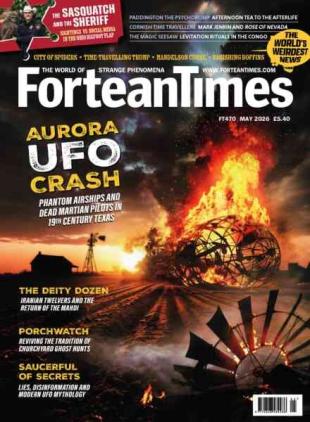
Fortean Times - May 2026Sci-Fi 26 Apr 2026
-
Historiska Brott & Mysterier - April 2026Sci-Fi 21 Apr 2026
-
Nexus Magazin - April-Mai 2026Sci-Fi 20 Apr 2026
-
Mundo Misterioso - 30 Marzo 2026Sci-Fi 7 Apr 2026
-
Mas Alla - Marzo 2026Sci-Fi 5 Apr 2026
-
Fortean Times - April 2026Sci-Fi 21 Mar 2026
-
Historiska Brott & Mysterier - Mars 2026Sci-Fi 14 Mar 2026
-
Haunted Magazine - Issue 49 2026Sci-Fi 13 Mar 2026
-
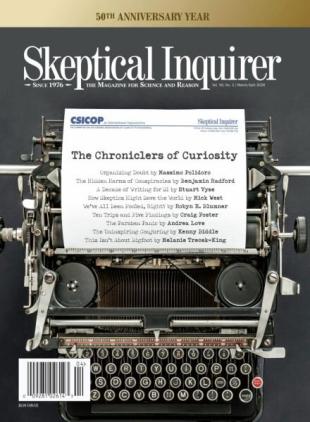
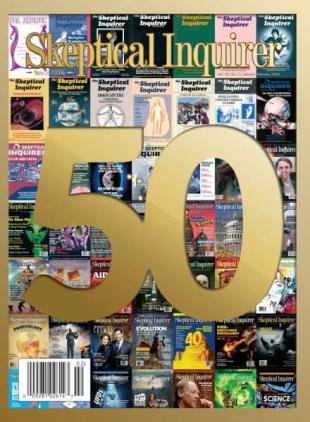
Skeptical Inquirer - March-April 2026Sci-Fi 5 Mar 2026
-
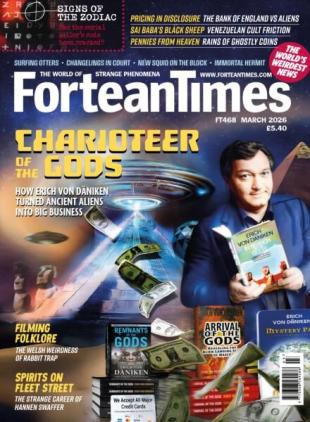
Fortean Times - March 2026Sci-Fi 27 Feb 2026
-
MOte med det okanda - Februari 2026Sci-Fi 22 Feb 2026
-
Nexus Magazin - Februar-Marz 2026Sci-Fi 17 Feb 2026
-
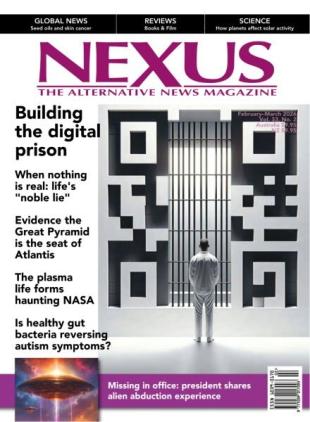
Nexus Magazine - February-March 2026Sci-Fi 6 Feb 2026
-
Historiska Brott & Mysterier - Januari 2026Sci-Fi 22 Jan 2026
-
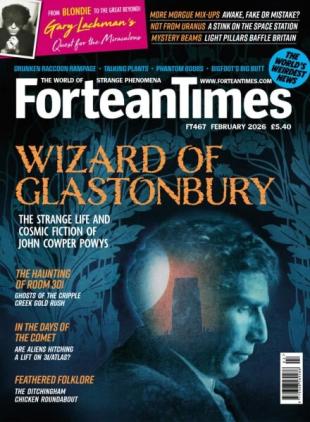
Fortean Times - February 2026Sci-Fi 17 Jan 2026
-
Fortean Times - January 2026Sci-Fi 3 Jan 2026
-
Haunted America - 2025Sci-Fi 29 Dec 2025
-
Haunted Magazine - Issue 48 2025Sci-Fi 19 Dec 2025
-
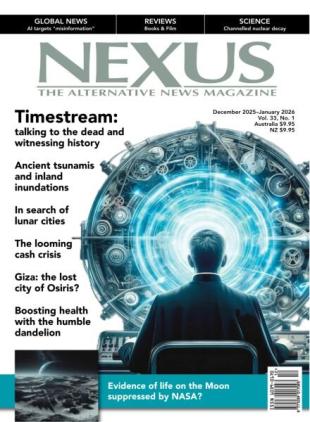
Nexus Magazin - Dezember 2025 - Januar 2026Sci-Fi 18 Dec 2025
-
Mas Alla - Noviembre 2025Sci-Fi 13 Dec 2025
-
Skeptiker Magazin - Nr 4 2025Sci-Fi 13 Dec 2025
-
Mundo Misterioso - 1 Noviembre 2025Sci-Fi 7 Dec 2025
-
Fortean Times - Issue 464 2025Sci-Fi 27 Nov 2025
-
Skeptical Inquirer - November-December 2025Sci-Fi 29 Oct 2025
-
Fortean Times - December 2025Sci-Fi 28 Oct 2025
-
Nexus Magazin - Oktober-November 2025Sci-Fi 19 Oct 2025
-
Historiska Brott & Mysterier - Oktober 2025Sci-Fi 12 Oct 2025
-
Mas Alla - Horoscopo - Octubre 2025Sci-Fi 11 Oct 2025
-
Mundo Misterioso - Septiembre 2025Sci-Fi 5 Oct 2025
-
Mysterier - 19 September 2025Sci-Fi 24 Sep 2025