The World Is Bigger Than You Think — Geography Magazines on WebMagz
There is a particular kind of restlessness that geography provokes — a sense that the world is larger, more varied, and more astonishing than any single life could fully explore. Mountains you'll never climb, rivers you'll never follow to their source, cities that contain entire universes of human experience you'll never directly witness. Geography magazines are the closest most of us get to closing that gap — taking us to the places, landscapes, peoples, and natural systems that make up our planet with the vividness and depth that great writing and photography can achieve. The Geography category on WebMagz brings together a wonderful collection of these publications, covering physical geography, human geography, cartography, exploration, environmental science, and the extraordinary diversity of the Earth's peoples and cultures.
Exploring the Collection — Maps, Landscapes, and Human Stories
The Geography category on WebMagz covers the discipline in its fullest sense — both the physical world and the human worlds built upon it. Physical geography publications address the Earth's natural systems: its landforms, climate systems, oceans, ecosystems, and the geological processes operating over timescales that dwarf human history. These magazines make the planet's deep physical structure accessible and fascinating, explaining the forces that built the Himalayas, carved the Grand Canyon, and drive the currents that regulate global climate.
Human geography publications explore how people have settled, organized, and transformed the Earth's surface — covering urbanization, migration, cultural geography, political boundaries, and the relationship between environment and human society. These are some of the most intellectually rich titles in the category, connecting landscape and place to the full complexity of human experience. Exploration and adventure geography magazines document the continuing human impulse to go where few have gone — covering polar expeditions, deep ocean research, cave exploration, and the high-altitude environments at the edges of where humans can survive.
Cartography and map-focused publications serve the readers who are as fascinated by how we represent the world as by the world itself — covering the history of mapmaking, modern GIS technology, and the art and science of geographic visualization. Environmental and conservation geography titles address the changing face of the Earth — documenting the effects of climate change, deforestation, desertification, and ocean acidification while also covering the conservation efforts and policy responses working to address them. Travel and cultural geography magazines bridge the gap between academic geography and the experiential knowledge of moving through the world with curiosity and attention.
Why Geography Is the Most Human of All the Sciences
Geography is the discipline that refuses to separate the natural world from the human one — understanding that mountains shape cultures, that river systems determine the location of cities, that climate influences agriculture, diet, architecture, and social organization in ways that run deeper than any political decision. This integrative quality makes geography uniquely valuable as a way of understanding the world: it provides context that no single-discipline approach can match.
Geography magazines carry this integrative quality into their journalism. A feature on the Nile River that traces its physical geography, its role in the emergence of one of history's greatest civilizations, its current status as a geopolitical flashpoint between the nations that depend on it, and the threats to its flow from climate change and dam-building — that is geography journalism at its best. It connects the physical to the historical, the cultural to the political, in a way that genuinely illuminates.
For students of geography, environmental science, anthropology, and related disciplines, these publications provide real-world context for the concepts and frameworks they encounter in formal study. For travelers, they deepen the experience of visiting places by providing the physical, historical, and cultural understanding that transforms tourism into genuine encounter. For everyone else, they offer one of the most reliable antidotes to the parochialism that comes from spending too much time in the same place, the same culture, the same way of seeing the world.
Curious Minds and Wandering Spirits — Who Reads Geography Magazines
The Geography category attracts readers united by a genuine curiosity about the world. Academic geographers, environmental scientists, and researchers in related fields follow the more analytical publications that keep them current with developments in their disciplines. Teachers of geography and environmental science at secondary and university level use these magazines as supplements to curriculum materials, finding in them the narrative depth and visual richness that textbooks rarely provide.
Travelers and explorers — from armchair adventurers who travel through reading to serious expedition enthusiasts — make up a large and passionate segment of the readership. Conservation professionals and environmental advocates follow the titles that document the state of the Earth's natural systems and the efforts underway to protect them. And a broad, intellectually curious general readership simply loves the world and wants publications that help them understand it better — that make the physical and human geography of distant places as vivid and comprehensible as the landscape outside their own window.
Landmark Publications in Geographic Journalism
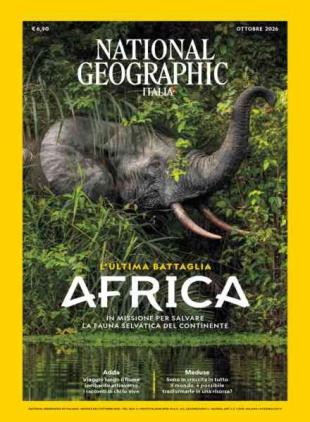
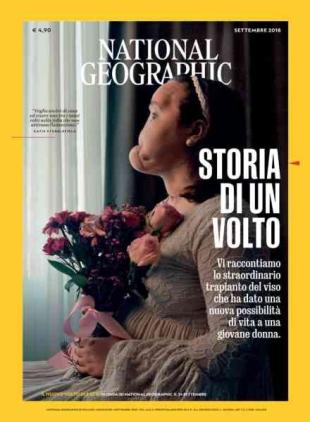
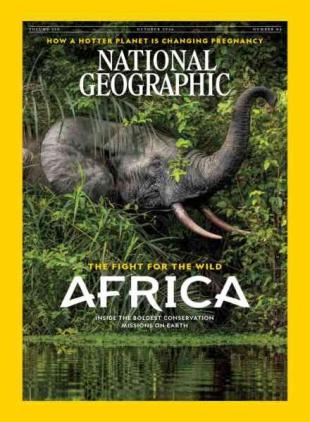
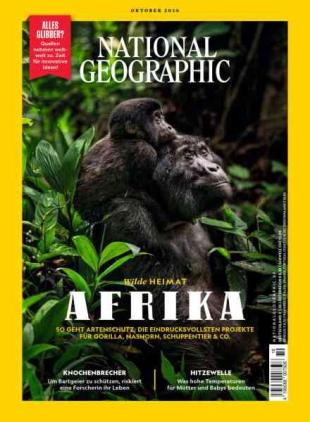
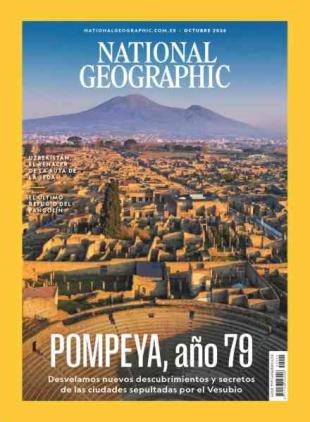
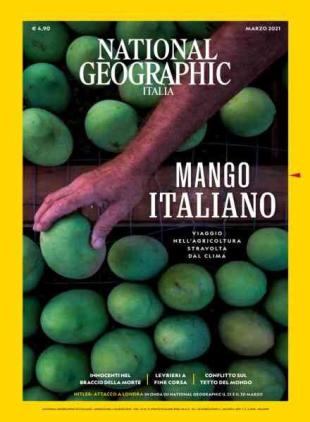
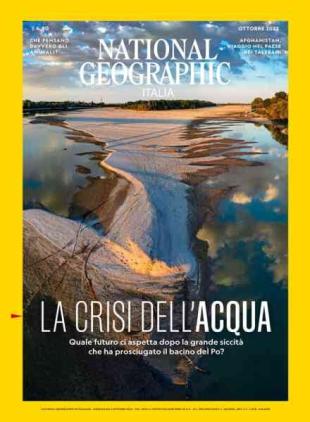
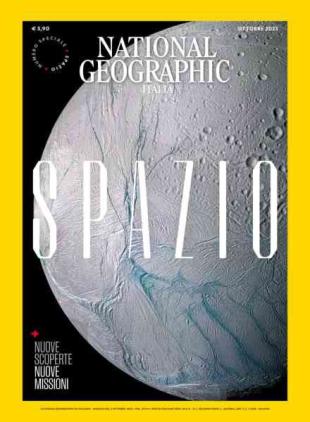
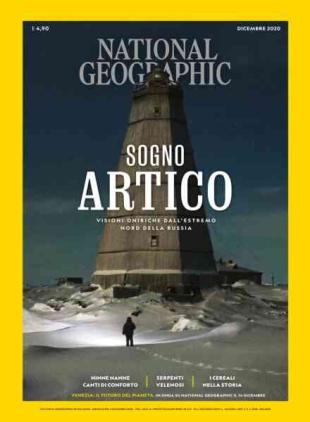
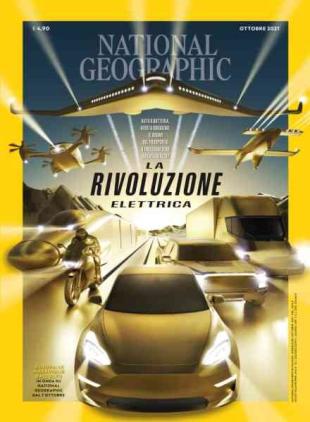
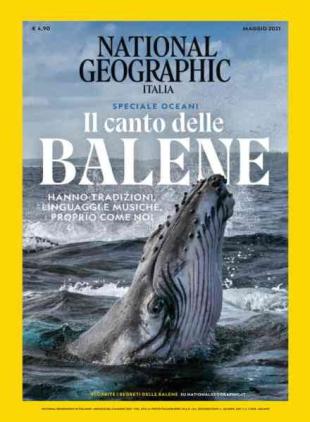
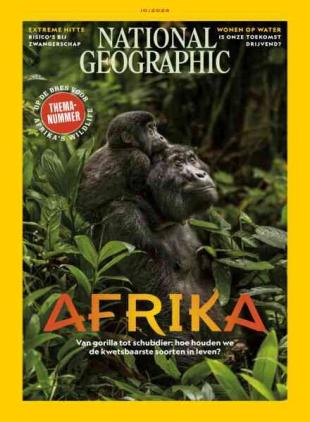
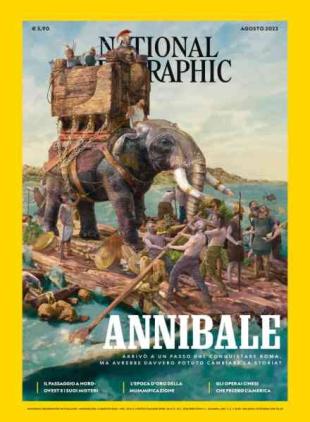
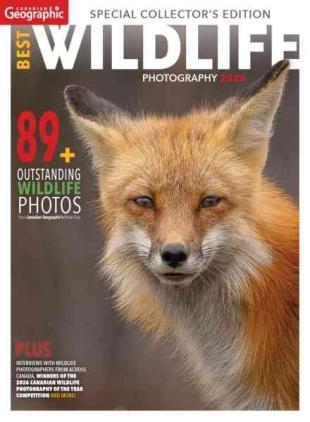
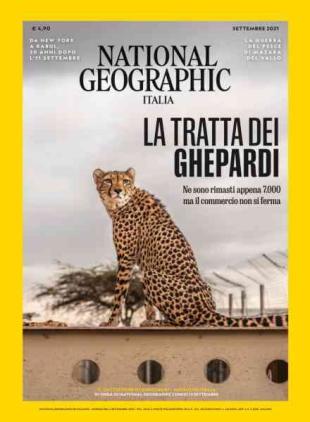
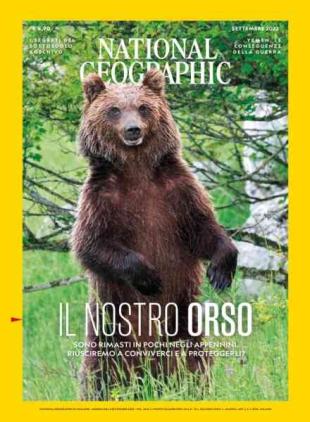
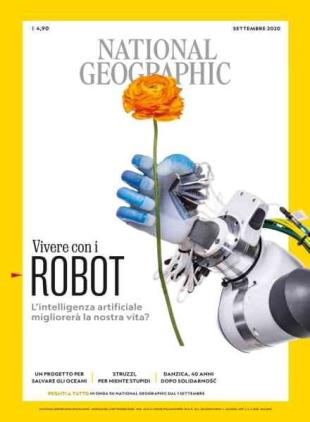
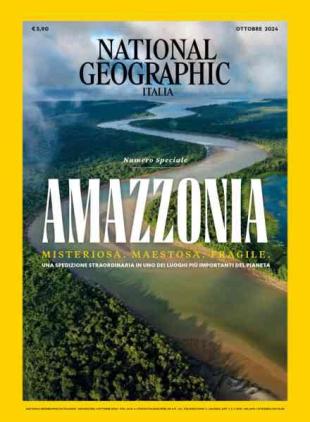
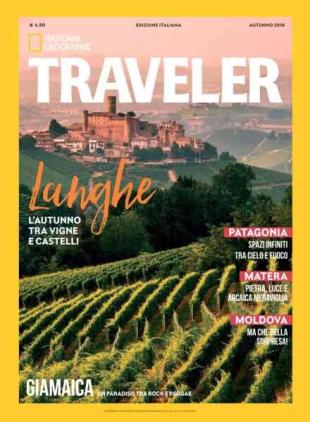
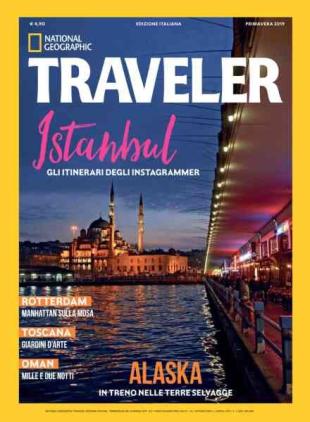
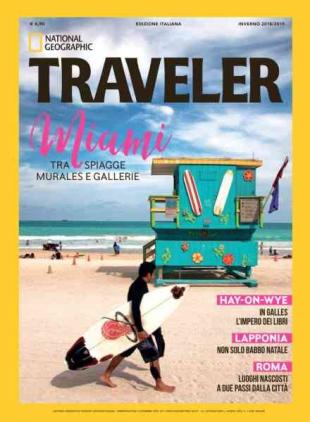
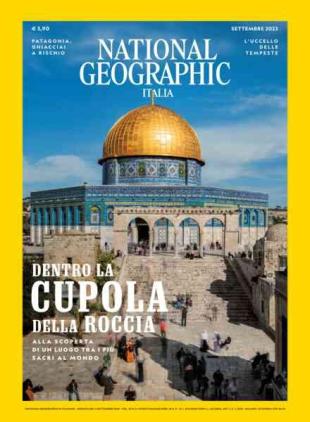
The Geography collection on WebMagz features some of the most celebrated publications in science and exploration journalism. National Geographic magazine — already mentioned in the Animals category, and equally essential here — is perhaps the most significant geography publication in history, its yellow-bordered covers a global symbol of curiosity, exploration, and visual storytelling at the highest level. Its photography has defined how the world sees itself for well over a century.
Geographical magazine, published by the Royal Geographical Society, brings rigorous academic geography to a general readership with great skill — its features on physical geography, human geography, and environmental change are consistently excellent. BBC Earth magazine extends the reach of the BBC's celebrated natural history and science broadcasting into print, combining the storytelling quality of television with the depth that a magazine format allows.
Discover magazine covers geography alongside broader earth and environmental science with accessibility and enthusiasm. The Geographical Journal, the academic publication of the Royal Geographical Society, serves the research community with peer-reviewed scholarship on all aspects of the discipline. For map enthusiasts, Mercator's World and specialist cartography publications bring the art and history of mapmaking to readers who understand that maps are not just practical tools but cultural objects that reveal as much about the societies that produced them as about the territories they depict.
Frequently Asked Questions About Geography Magazines
- Do geography magazines cover climate change and environmental issues? Environmental change is one of the central themes running through the Geography category — covered both in dedicated environmental publications and as a significant thread in the broader geography and natural science titles. The collection provides both the science of climate change and the geographic, social, and political context that makes it fully comprehensible.
- Are there publications focused on specific regions of the world? The collection includes both global-scope publications and titles with specific regional focuses — covering particular continents, countries, or geographic regions with the depth that broad-coverage magazines can't always achieve. If you have a specific regional interest, the WebMagz Geography collection likely has relevant reading for you.
- Can I find magazines covering the history of exploration and discovery? Yes — exploration history is a significant strand within the category, covering the great voyages of discovery, polar expeditions, and the ongoing tradition of geographic exploration with historical depth and narrative quality.
- Are cartography and map history covered in this category? Map history, cartographic technique, and the cultural history of how humans have represented the world they inhabit are covered in specialist publications within the Geography category — essential reading for anyone who understands that a map is never just a map.
- Do these magazines cover urban geography and city planning alongside natural landscapes? Human geography — including urbanization, city planning, migration, and the transformation of landscapes by human activity — is as much a part of the Geography category as physical landscape coverage. Several titles specifically address how cities and human settlements relate to their geographic contexts.
- Are geography magazines suitable for use in school and university education? Many are actively used in educational contexts — geography teachers and lecturers regularly use magazine features as supplementary materials that bring academic concepts to life with real-world examples and narrative depth. The more accessible titles are particularly well suited to secondary education, while the academic publications serve university-level study.
Downloading Geography Magazines on WebMagz
The full Geography collection is available as PDF downloads on WebMagz — preserving the spectacular photography, detailed maps, and infographic richness that make geography publications so visually rewarding. Browse the category, find the titles that match your geographic curiosity, and download directly. New issues are added regularly, keeping the collection current with a world that is constantly changing and constantly worth understanding better.
-
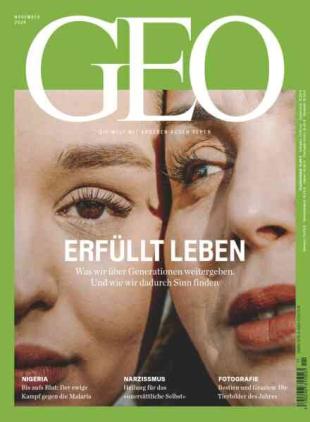
Geo Germany - November 2026Geography Yesterday
-
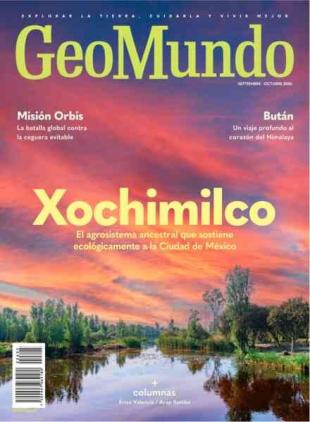
GeoMundo - Septiembre-Octubre 2026Geography 2 Oct 2026
-
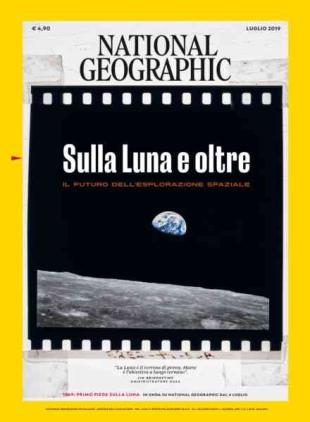
National Geographic Italia - Luglio 2019Geography 29 Sep 2026
-
National Geographic Italia - Luglio 2013Geography 29 Sep 2026
-
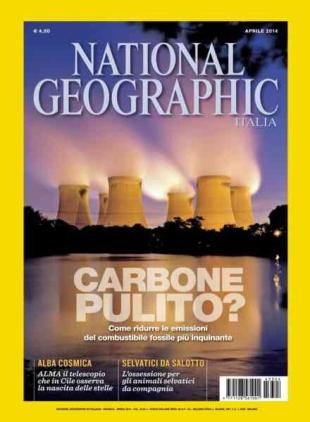
National Geographic Italia - Aprile 2014Geography 28 Sep 2026
-
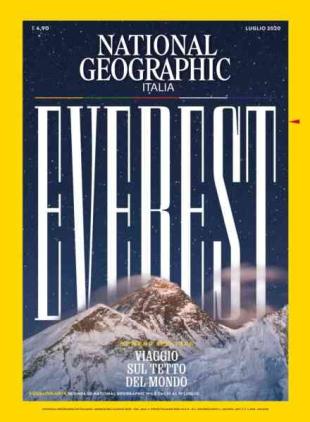
National Geographic Italia - Luglio 2020Geography 27 Sep 2026
-
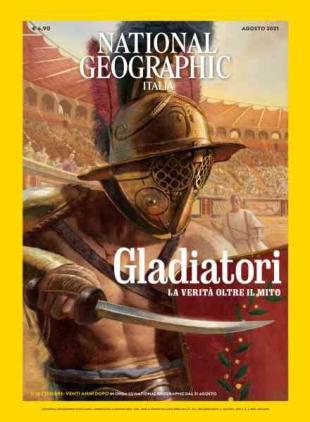
National Geographic Italia - Agosto 2021Geography 27 Sep 2026
-
National Geographic Italia - Maggio 2021Geography 27 Sep 2026
-
National Geographic Italia - Agosto 2023Geography 26 Sep 2026
-
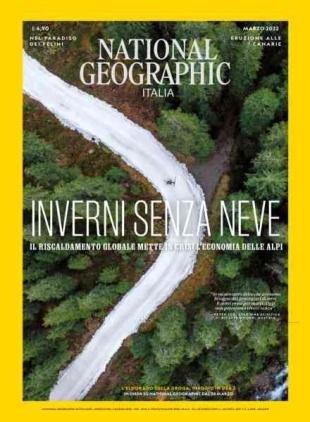
National Geographic Italia - Marzo 2022Geography 26 Sep 2026
-
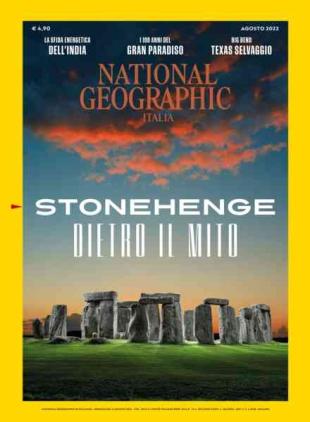
National Geographic Italia - Agosto 2022Geography 26 Sep 2026
-
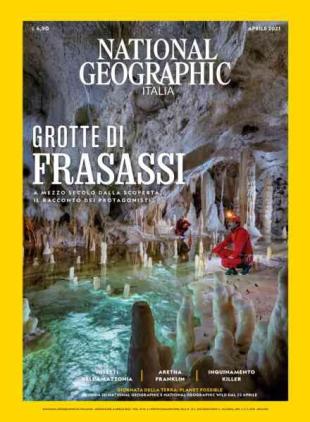
National Geographic Italia - Aprile 2021Geography 26 Sep 2026
-
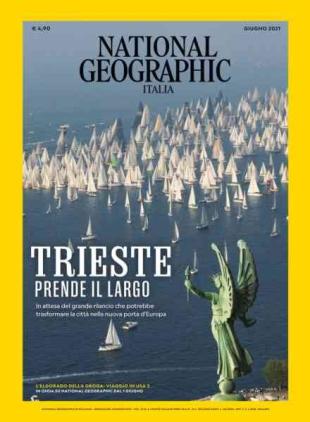
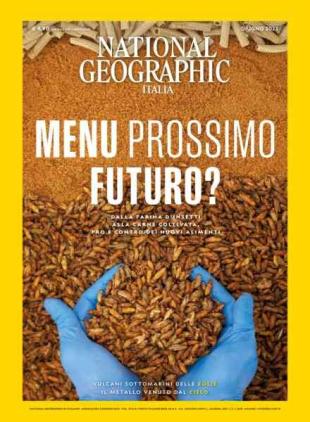
National Geographic Italia - Giugno 2021Geography 26 Sep 2026
-
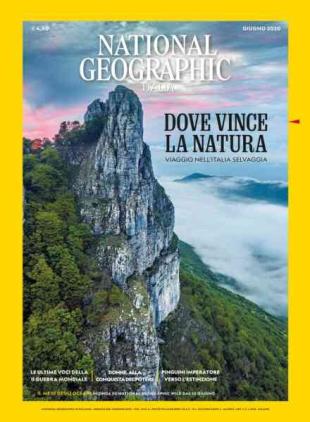
National Geographic Italia - Giugno 2020Geography 26 Sep 2026
-
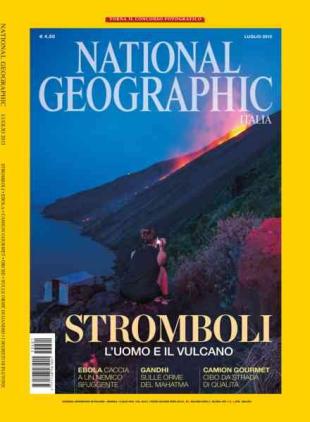
National Geographic Italia - Luglio 2015Geography 25 Sep 2026
-
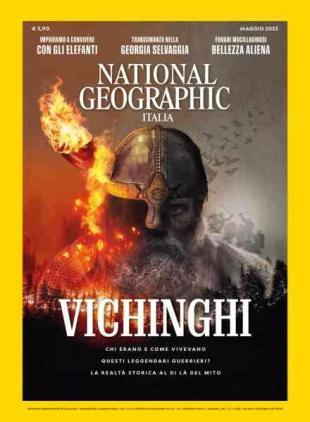
National Geographic Italia - Maggio 2023Geography 25 Sep 2026
-
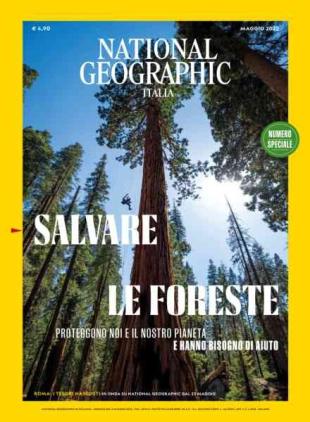
National Geographic Italia - Maggio 2022Geography 25 Sep 2026
-
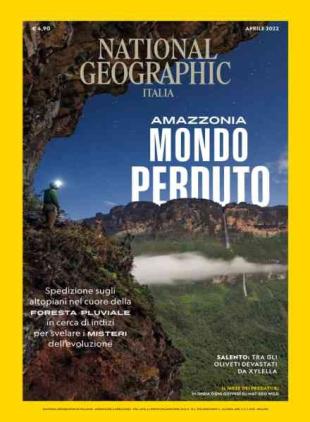
National Geographic Italia - Aprile 2022Geography 25 Sep 2026
-
National Geographic Italia - Giugno 2022Geography 25 Sep 2026
-
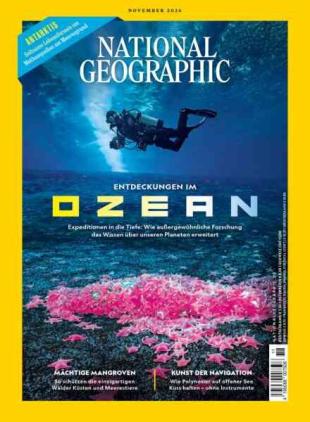
National Geographic USA - October 2026Geography 23 Sep 2026
-
National Geographic Italia - Giugno 2023Geography 22 Sep 2026
-
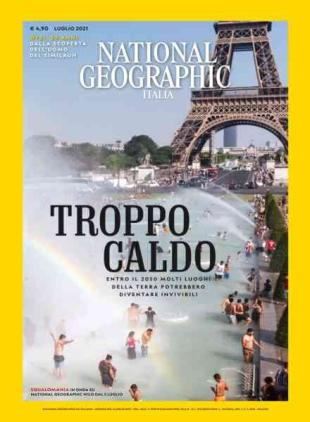
National Geographic Italia - Luglio 2021Geography 22 Sep 2026
-
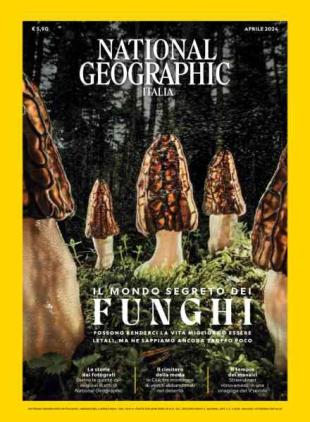
National Geographic Italia - Aprile 2024Geography 21 Sep 2026
-
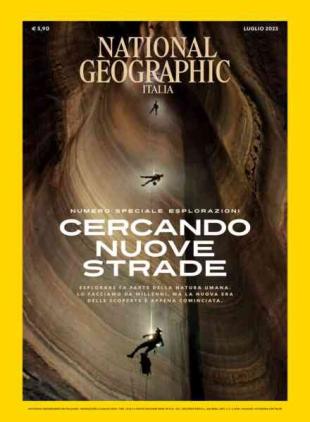
National Geographic Italia - Luglio 2023Geography 21 Sep 2026
-
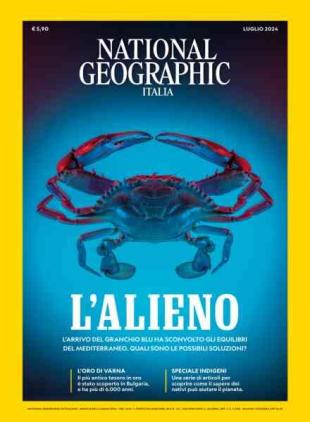
National Geographic Italia - Luglio 2024Geography 21 Sep 2026
-
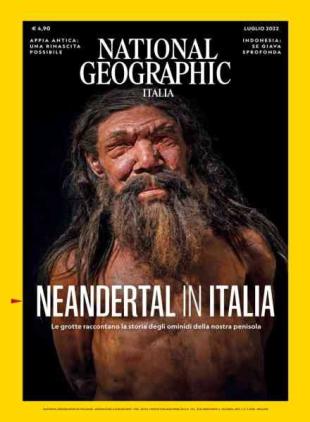
National Geographic Italia - Luglio 2022Geography 21 Sep 2026
-
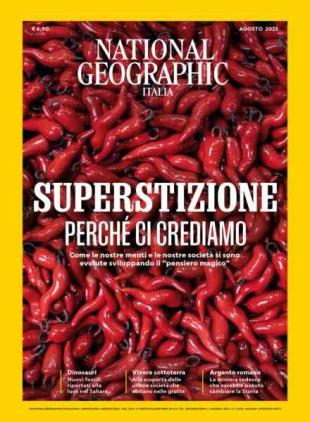
National Geographic Italia - Agosto 2025Geography 21 Sep 2026
-
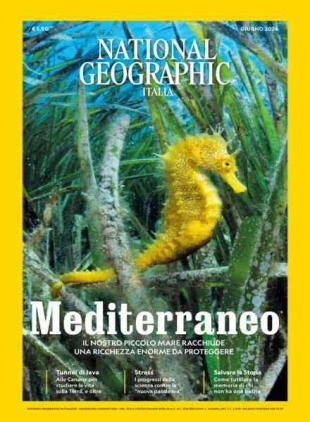
National Geographic Italia - Giugno 2024Geography 20 Sep 2026
-
Geo Germany - Oktober 2026Geography 20 Sep 2026
-
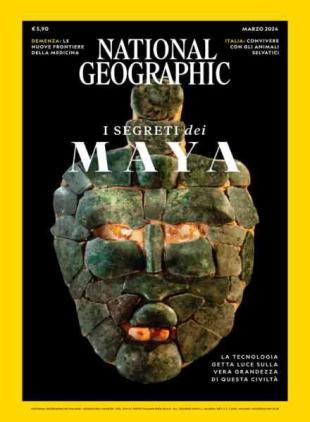
National Geographic Italia - Marzo 2024Geography 20 Sep 2026