Your Body, Your Mind, Your Reading — Health Magazines on WebMagz
Health is the foundation of everything else. It shapes what we can do, how we feel about our lives, and how long and fully we get to live them. And yet the information landscape around health is one of the most confusing and potentially dangerous in any domain of human knowledge — full of genuine science and pseudoscience, well-founded recommendations and lucrative misinformation, nuanced clinical understanding and oversimplified headlines. The Health category on WebMagz brings together a carefully selected collection of publications that navigate this landscape with rigor, accuracy, and genuine respect for readers' intelligence. From general health and wellness magazines to specialist publications covering nutrition, mental health, fitness, and medical science, this category is built around the conviction that good health information is not just useful — it can be genuinely life-changing.
What's Covered — The Full Scope of the Health Collection
The Health category on WebMagz covers the full spectrum of human health and wellbeing. General health magazines anchor the collection — publications that address the physical and mental health of their readers comprehensively, covering disease prevention, healthy aging, nutrition, sleep, stress management, and the healthcare decisions that every person inevitably faces. These titles are written with the intelligent, health-conscious general reader in mind, translating clinical and research findings into actionable, accurate guidance.
Nutrition and diet publications address what we eat with the scientific seriousness the subject deserves — cutting through the noise of fad diets and miracle foods to provide evidence-based guidance on how dietary choices affect health, longevity, and wellbeing. These magazines are particularly valuable in a food environment saturated with conflicting claims and commercially motivated nutrition advice. Mental health publications have grown enormously in prominence and quality in recent years, covering anxiety, depression, stress, trauma, and psychological wellbeing with the clinical accuracy and human warmth that people seeking to understand their own mental health deserve.
Fitness and exercise magazines serve the active readership with training programs, sport-specific guidance, recovery science, and the growing body of research on how different forms of physical activity affect health across the lifespan. Women's health publications address the specific health experiences, needs, and challenges that women face across different life stages — from reproductive health and hormonal wellbeing to the specific cardiovascular, bone, and cognitive health considerations of aging. Medical science magazines bring the latest research findings to general and specialist readers, covering breakthrough treatments, public health developments, and the ongoing advances in our understanding of how the human body works.
Why Reliable Health Reading Matters More Than Ever
The stakes of health misinformation are as high as any area of public knowledge. A person who believes inaccurate information about vaccines, cancer screening, cardiovascular risk factors, or mental health treatment may make decisions that genuinely shorten or diminish their life. This is not a hypothetical concern — the harms of health misinformation are documented, measurable, and ongoing. In this context, having access to health publications produced by editorially rigorous teams with genuine medical and scientific expertise is not a luxury. It is a genuine public good.
The best health magazines serve a specific and valuable function: they occupy the space between the dense technical literature that healthcare professionals read and the inevitably simplified, often inaccurate health news that circulates in mainstream media. They translate research accurately, they maintain appropriate uncertainty where the evidence is genuinely uncertain, and they engage readers as intelligent adults capable of understanding complexity rather than passive recipients of simplified instructions.
They also do something the clinical encounter often cannot: they provide context, narrative, and community. A person diagnosed with a chronic condition who reads a well-produced magazine dedicated to living well with that condition gains something that no doctor's appointment, however excellent, can fully supply — a sustained relationship with reliable information, and the sense that others share their experience and have navigated it successfully.
Trusted Names in Health Publishing
The Health collection on WebMagz features publications with strong track records of accurate, evidence-based health journalism. Harvard Health Letter, produced by Harvard Medical School, is one of the most trusted health publications for general readers — its combination of genuine medical expertise and accessible writing makes it a gold standard for consumer health journalism. Mayo Clinic Health Letter brings the same authority from another of America's great medical institutions.
Men's Health and Women's Health serve their respective readerships with fitness, nutrition, and general health content that balances aspiration with accuracy — both have significantly expanded their mental health coverage in recent years. Psychology Today is the most widely read mental health publication for general readers — its combination of research-based articles, therapist-written features, and accessible explanations of psychological science has built an enormous and loyal readership.
New Scientist, while broader than health alone, consistently publishes some of the finest medical and biological science reporting available to non-specialist readers — its health coverage is particularly strong and its scientific standards are rigorous. Nutrition Action, published by the Center for Science in the Public Interest, provides uncompromising, commercial-interest-free nutrition guidance that has been a reliable antidote to food industry marketing for decades.
Patients, Practitioners, and the Health-Conscious — Who Reads This Category
The Health category serves a readership as broad as health itself — which is to say, essentially everyone. Health-conscious adults who want to make informed decisions about their physical and mental wellbeing make up the largest segment — people who exercise regularly, pay attention to what they eat, and want the reading material that supports a genuinely healthy lifestyle grounded in evidence rather than trend. For them, the nutrition, fitness, and general wellness titles are essential reading.
People managing chronic conditions — diabetes, cardiovascular disease, autoimmune conditions, mental health conditions, and many others — follow the specialist publications that address their specific health situations with clinical accuracy and practical relevance. Healthcare professionals who want accessible summaries of research across specialties follow the medical science titles alongside their professional journals. Parents seeking reliable health guidance for their children follow the publications that address pediatric health with appropriate expertise.
Older adults, for whom health increasingly becomes a central concern, find the publications covering healthy aging, disease prevention, and the specific health dimensions of later life particularly valuable. Fitness enthusiasts and athletes follow the training and performance titles that help them optimize their physical practice. And a growing readership interested in preventive health — the science of staying well rather than treating illness — follows the publications that address lifestyle, environment, and behavior as health determinants.
Frequently Asked Questions About Health Magazines
- Are health magazines medically reviewed and factually accurate? The publications in the WebMagz Health collection are selected for their commitment to editorial accuracy and evidence-based content. The leading titles draw on medical advisory boards, peer-reviewed research, and expert contributors with genuine clinical credentials. That said, health magazine content is not a substitute for professional medical advice — always consult a qualified healthcare provider for personal health decisions.
- Do these magazines cover mental health as well as physical health? Mental health is a significant and growing strand within the Health category — covered both in dedicated mental health publications and as a substantial component of the general health titles. The collection reflects the understanding that physical and mental health are inseparable dimensions of overall wellbeing.
- Are there publications covering specific health conditions in depth? The collection includes publications addressing specific health conditions and disease categories alongside the general health titles — providing the depth and specificity that people managing particular conditions need but that broad-spectrum wellness magazines cannot always supply.
- Can I find magazines that cover alternative and complementary health approaches? The collection includes some coverage of complementary health approaches, mindfulness, and integrative medicine alongside the more conventionally evidence-based publications. Readers interested in these areas will find relevant content, while those who prefer strictly evidence-based material will find that well represented too.
- Are nutrition and diet magazines based on current scientific evidence? The nutrition publications in the category are selected for their commitment to evidence-based dietary guidance — they prioritize peer-reviewed research over trend-driven content and maintain editorial independence from food industry commercial interests. In a field with a significant misinformation problem, this selectivity matters.
- Do health magazines address healthy aging and longevity specifically? Healthy aging is a significant and growing focus within the Health category, reflecting both the demographic reality of aging populations and the expanding body of research on how lifestyle, environment, and behavior influence the quality and length of life. Several titles address this subject with particular depth and clinical authority.
- Are these publications suitable for healthcare professionals, or aimed at general readers? The collection spans both — from publications written specifically for a general health-conscious readership to more clinically oriented titles that serve healthcare professionals seeking accessible summaries of research across specialties. Both levels of technical depth are well represented.
Getting Your Health Reading on WebMagz
Every title in the Health category is available as a PDF download on WebMagz — complete, high-quality, and immediately accessible. Browse the collection to find publications matched to your specific health interests and concerns, and download directly. The collection spans general wellness, specialist health conditions, nutrition, fitness, mental health, and medical science — updated regularly with new issues that keep the guidance current with evolving research and public health developments.
-
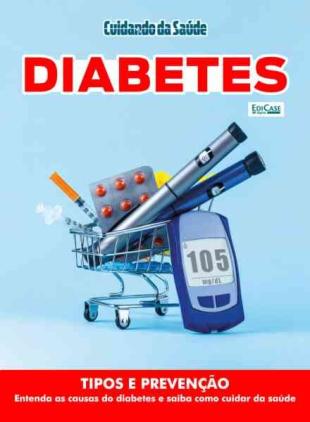
Cuidando da Saude - 16 Outubro 2026Health 22 Oct 2026
-
Le Vif Weekend - 15 Octobre 2026Health 22 Oct 2026
-
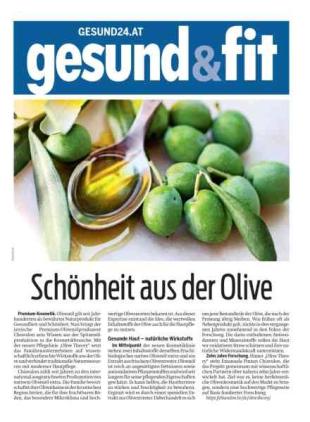
Gesund & Fit - 14 Oktober 2026Health 22 Oct 2026
-
L'Altra Medicina - Novembre 2026Health 20 Oct 2026
-
Mamma Mia! Eierstockkrebsmagazin - Nr 4 2026Health 20 Oct 2026
-
Psychologie Heute - November 2026Health 19 Oct 2026
-
Le Vif Weekend - 8 Octobre 2026Health 19 Oct 2026
-
Bunte Gesundheit - Oktober 2026Health 18 Oct 2026
-
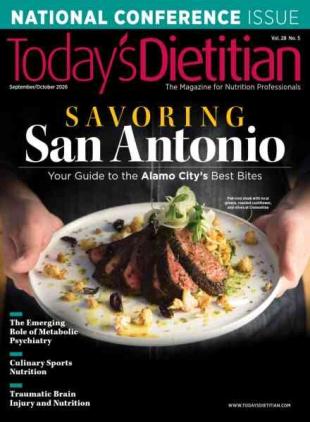
Today's Dietitian - September-October 2026Health 18 Oct 2026
-
Breathe UK - Issue 85 2026Health 16 Oct 2026
-
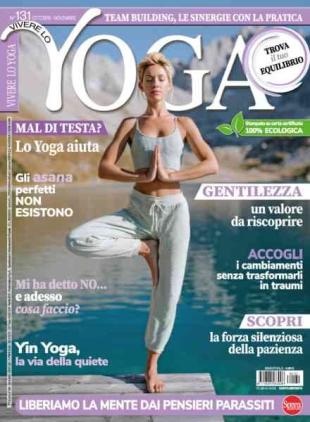
Vivere lo Yoga - Ottobre-Novembre 2026Health 15 Oct 2026
-
Gesund & Fit - 7 Oktober 2026Health 15 Oct 2026
-
Tarzan - October 2026Health 15 Oct 2026
-
Generations - Octobre 2026Health 14 Oct 2026
-
Yoga and Total Health - October 2026Health 14 Oct 2026
-
OM Yoga & Lifestyle - November 2026Health 14 Oct 2026
-
aktiv Laufen - November-Dezember 2026Health 13 Oct 2026
-
Okotest - Jahrbuch fur 2022Health 12 Oct 2026
-
Le Vif Weekend - 1er Octobre 2026Health 12 Oct 2026
-
Okotest - Jahrbuch fur 2020Health 11 Oct 2026
-
Rishikesh Yogalaya - October-November 2026Health 11 Oct 2026
-
Plantas Medicinais - 2 Outubro 2026Health 11 Oct 2026
-
Tarzan - September 2026Health 11 Oct 2026
-
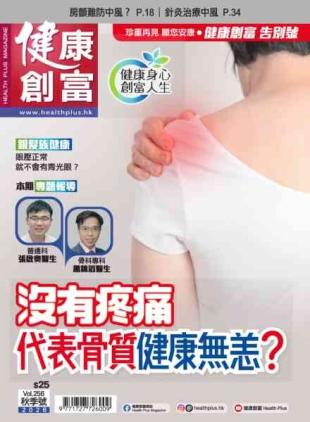
Health Plus - September 2026Health 10 Oct 2026
-
Paillettes Magazine - Juin-Septembre 2026Health 10 Oct 2026
-
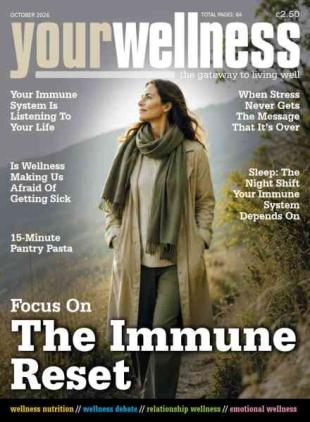
Yourwellness - October 2026Health 9 Oct 2026
-
Yoga Magazine - October 2026Health 8 Oct 2026
-
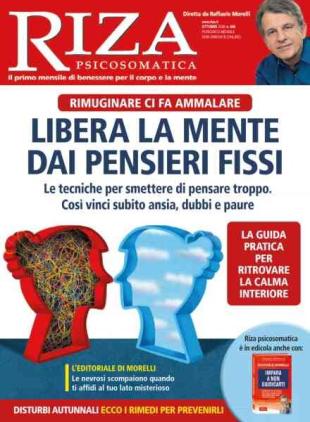
Riza Psicosomatica - Ottobre 2026Health 8 Oct 2026
-
Corporate Wellness - October 2026Health 8 Oct 2026
-
Hola! Espana - 7 Octubre 2026Health 7 Oct 2026
-
Prima Health - Issue 8 2026Health 7 Oct 2026
-
Psicologia Facile - Ottobre 2026Health 6 Oct 2026
-
Gesund & Fit - 30 September 2026Health 5 Oct 2026
-
Aesthetic Medicine - October 2026Health 5 Oct 2026
-
handicaplife - Oktober 2026Health 5 Oct 2026
-
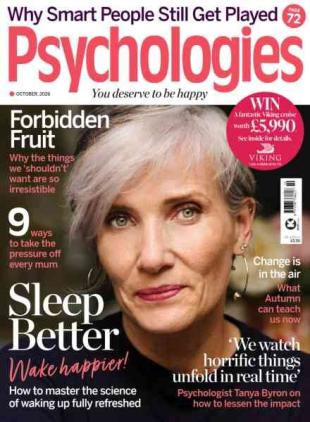
Psychologies UK - October 2026Health 5 Oct 2026
-
Alternative Medicine - October 2026Health 4 Oct 2026
-
Integral - Octubre 2026Health 4 Oct 2026
-
He & She - January 1976Health 4 Oct 2026
-
Mein Yoga & Soul - Nr 5 2021Health 3 Oct 2026
-
Good Health Germany - Oktober 2026Health 3 Oct 2026
-
Gesund & Fit - 23 September 2026Health 3 Oct 2026
-
Healthstyle - September 2026Health 2 Oct 2026
-
Le Vif Weekend - 24 Septembre 2026Health 1 Oct 2026
-
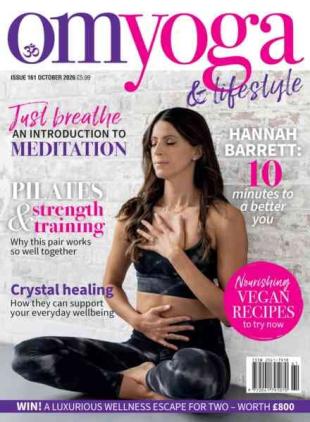
OM Yoga & Lifestyle - October 2026Health 1 Oct 2026
-
Medgate Today - September 2026Health 1 Oct 2026
-
Cuidando da Saude - 1 Outubro 2026Health 1 Oct 2026
-
Mein Yoga & Soul - Nr 6 2021Health 30 Sep 2026
-
Mein Yoga & Soul - Nr 8 2022Health 30 Sep 2026
-
Gesundheits Nachrichten - Oktober 2026Health 29 Sep 2026
-
Gesund sein - September 2026Health 29 Sep 2026
-
Salute Naturale - Ottobre 2026Health 28 Sep 2026
-
Mein Yoga & Soul - Nr 4 2021Health 28 Sep 2026
-
bioMagazin - September 2026Health 28 Sep 2026
-
Tina Gesund & Fit - September 2026Health 25 Sep 2026
-
Mein Yoga & Soul - Nr 7 2021Health 25 Sep 2026
-
Generations - Septembre 2026Health 24 Sep 2026
-
Modern Psykologi - September 2026Health 24 Sep 2026
-
SuperSanos - Septiembre 2026Health 23 Sep 2026
-
Support Magazine - September 2026Health 23 Sep 2026